
Conversation Topic
Point-to-Point Wireless Links
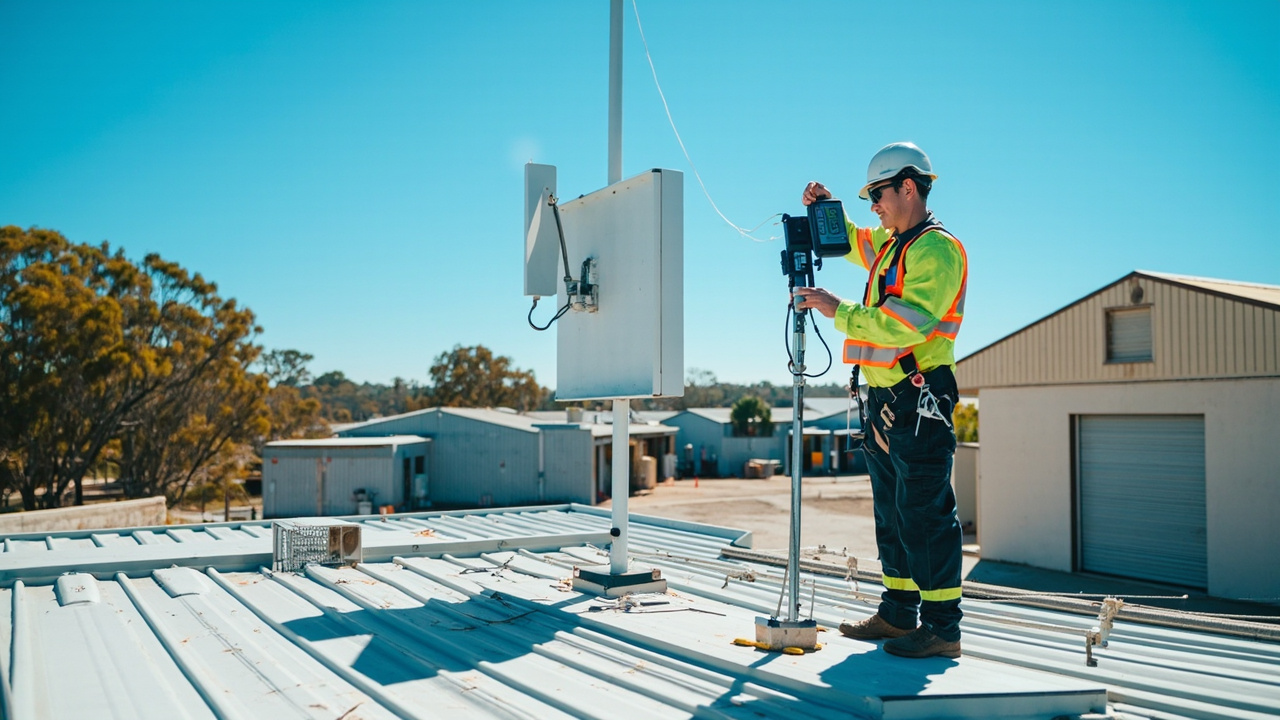
A point-to-point wireless link uses directional radios to carry network traffic between two locations. It can connect separate buildings, extend a network across a site or provide a practical alternative where trenching fibre is not possible.
Useful questions, comparisons, examples and next-step checks around Point-to-Point Wireless Links.
Questions & Answers
Answers About Point-to-Point Wireless Links
These answers organise the topic into practical checks, comparisons and useful research notes.
The site survey will map the path between the two locations and verify a clear line-of-sight, mounting options, and power availability. It also checks for interference sources, weather exposure, and access constraints to ensure the chosen hardware will perform reliably. After the survey, Pacific will provide a recommended throughput, hardware list, and installation plan, including any redundancy options if needed. Pricing, lead times and availability can c…
2026-09-05 How do we pick the right throughput and line-of-sight for our site?Throughput should match your applications: describe what you will run over the link—file shares, VoIP, backups or video—and choose a link with enough capacity to handle peak usage without saturating. Line-of-sight and distance matter; we’ll need a path survey to confirm clear sightlines and mounting options, plus check for potential interference and weather effects. Pacific can perform the site survey, recommend the right hardware, install and test the com…
2026-07-16 Can a point-to-point link carry normal business network traffic?Yes, a correctly designed point-to-point link can carry normal business network traffic between locations. The expected applications, throughput, latency, security and resilience should be matched to the selected hardware and radio path. These links can suit campuses, farms, industrial sites, warehouses, temporary facilities and businesses with nearby buildings that need reliable connectivity. A point-to-point wireless link uses directional radios to carr…
 9 Q&A
Technology Site Surveys and Accurate Quoting
9 Q&A
Technology Site Surveys and Accurate Quoting
 7 Q&A
New Office Fitouts and Workplace Technology
7 Q&A
New Office Fitouts and Workplace Technology
 9 Q&A
Project Coordination and Related Trades
9 Q&A
Project Coordination and Related Trades
 8 Q&A
Installation Quality Testing and Handover
8 Q&A
Installation Quality Testing and Handover
 11 Q&A
Maintenance Fault Diagnosis and Technical Support
11 Q&A
Maintenance Fault Diagnosis and Technical Support
Required capacity, line of sight, mounting permissions, frequencies, equipment, power and the need for redundancy should be confirmed after a physical survey. Pricing, availability, specifications, compatibility, lead times, service coverage and support arrangements can change, so decision-critical details should be confirmed directly with Pacific Telephone & Data.
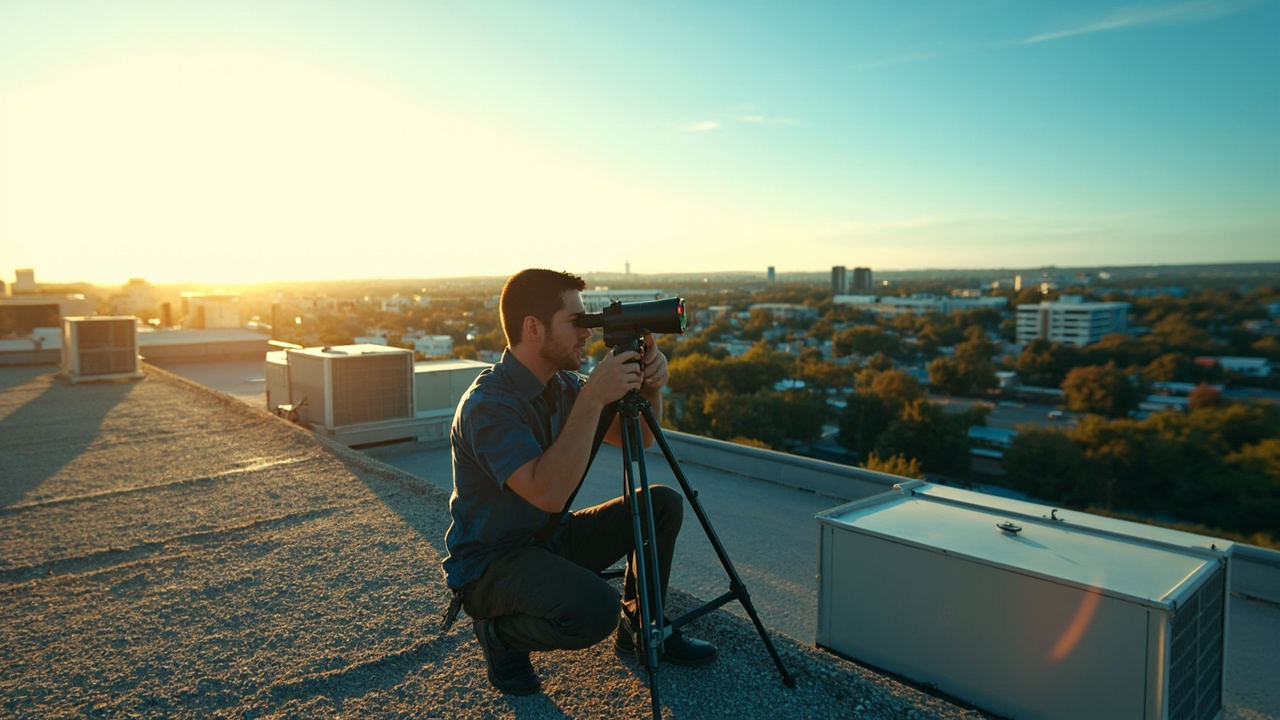
2026-07-15 Why is a rooftop line-of-sight check important?The design should check clear line of sight, distance, mounting height, obstructions, radio interference, weather exposure, power, network capacity, structural mounting and access for future maintenance. Pacific can inspect both ends, verify the path, select suitable supported hardware, mount and align the radios, configure the network and test the completed link.
2026-07-15 What can obstruct or weaken a directional wireless link?Buildings, terrain, trees, new structures, misalignment, interference and an inadequate mounting position can weaken a directional link. The path needs more than a casual visual check because the radio design and surrounding clearance also matter. A point-to-point wireless link uses directional radios to carry network traffic between two locations. It can connect separate buildings, extend a network across a site or provide a practical alternative where t…
 8 Q&A
WHS SWMS and Work on High-Risk Sites
8 Q&A
WHS SWMS and Work on High-Risk Sites
 8 Q&A
Newcastle Lake Macquarie and Hunter Service Areas
8 Q&A
Newcastle Lake Macquarie and Hunter Service Areas
 9 Q&A
Choosing Quality Technology Solutions Over the Cheapest Quote
9 Q&A
Choosing Quality Technology Solutions Over the Cheapest Quote
 9 Q&A
Business Phone Systems
9 Q&A
Business Phone Systems
 8 Q&A
NEC On-Premise Phone Systems
8 Q&A
NEC On-Premise Phone Systems
A point-to-point wireless link uses directional radios to carry network traffic between two locations. It can connect separate buildings, extend a network across a site or provide a practical alternative where trenching fibre is not possible. Pacific can inspect both ends, verify the path, select suitable supported hardware, mount and align the radios, configure the network and test the completed link.
2026-07-14 When can wireless be used instead of trenching fibre?Wireless can be considered when buildings have a suitable line of sight and trenching fibre is impractical, disruptive or disproportionate to the requirement. Reliability, capacity, mounting, power, weather exposure and the long-term site plan still need assessment. These links can suit campuses, farms, industrial sites, warehouses, temporary facilities and businesses with nearby buildings that need reliable connectivity. A point-to-point wireless link us…




Visual Examples
Images That Support Point-to-Point Wireless Links
A small visual sample connected to this topic.
rooftop installation
Directional point-to-point wireless link installation between commercial sites w…
 service area
Professional business technology scene illustrating for rooftop line of sight ch…
service area
Professional business technology scene illustrating for rooftop line of sight ch…
 service area
Professional business technology scene illustrating for warehouse wireless netwo…
service area
Professional business technology scene illustrating for warehouse wireless netwo…
 service area
Professional business technology scene illustrating for wi fi coverage survey cr…
service area
Professional business technology scene illustrating for wi fi coverage survey cr…
 service area
Professional business technology scene illustrating for planning travel and site…
service area
Professional business technology scene illustrating for planning travel and site…