
Conversation Topic
Call Flow Reception and Multi-Site Communications
Call flow is the set of rules that decides where an incoming call goes, what the caller hears and what happens when the first person does not answer. It can include reception, groups, queues, voicemail, day and night modes and site-to-site routing.
Useful questions, comparisons, examples and next-step checks around Call Flow Reception and Multi-Site Communications.

Questions & Answers
Answers About Call Flow Reception and Multi-Site Communications
These answers organise the topic into practical checks, comparisons and useful research notes.
We test after-hours routing by simulating real after-hours traffic on each site, following the mapped flow: numbers, queues and the on-call route. We run tests for normal, busy, unanswered and after-hours scenarios to confirm that callers reach the intended destination. After testing, we adjust the configuration as needed and provide a short report showing results and any changes to overflow rules, after-hours messages, holidays and failover.
2026-08-25 What information should I gather for the call-flow interview?For the call-flow interview, gather the following: current numbers and extension map; who answers each queue; which departments should receive which calls; opening hours, holidays, after-hours messages; overflow rules and failover; on-call rotations and remote workers; any recording requirements and the reports managers rely on. Bring real-world call examples and any current pain points so the team can map current to desired flow. Be ready to review normal…
2026-08-18 Who should be involved to approve the cutover plan?The people or teams who sign off on the cutover plan should cover the items listed: numbers, carrier services, platform features, queue licences, recording and after-hours responsibilities. Because pricing, availability, specifications, compatibility, lead times, service coverage and support arrangements can change, decision-critical details should be confirmed directly with Pacific Telephone & Data. Pacific can guide and coordinate the cutover plan with y…
 8 Q&A
Newcastle Lake Macquarie and Hunter Service Areas
8 Q&A
Newcastle Lake Macquarie and Hunter Service Areas
 9 Q&A
Choosing Quality Technology Solutions Over the Cheapest Quote
9 Q&A
Choosing Quality Technology Solutions Over the Cheapest Quote
 9 Q&A
Business Phone Systems
9 Q&A
Business Phone Systems
 8 Q&A
NEC On-Premise Phone Systems
8 Q&A
NEC On-Premise Phone Systems
 9 Q&A
NEC UNIVERGE BLUE Cloud Communications
9 Q&A
NEC UNIVERGE BLUE Cloud Communications
These scenarios should be tested because call flows that work during a quiet demonstration can fail when lines are busy, staff do not answer, or a holiday mode is activated. Testing confirms that callers reach the intended message, queue, person or fallback destination. The mapping should document business numbers, opening hours, departments, overflow rules, after-hours messages, holidays, remote workers, priority callers, failover and the reports manager…
2026-06-25 What needs to be confirmed before changing live business numbers?Numbers, carrier services, platform features, queue licences, recording and after-hours responsibilities should be confirmed before cutover. Pricing, availability, specifications, compatibility, lead times, service coverage and support arrangements can change, so decision-critical details should be confirmed directly with Pacific Telephone & Data.
2026-06-24 How can calls be shared across several offices or locations?Pacific can interview the people who handle calls, draw the current and desired flow, configure the approved platform and test normal, busy, unanswered and after-hours scenarios. The mapping should document business numbers, opening hours, departments, overflow rules, after-hours messages, holidays, remote workers, priority callers, failover and the reports managers need.
 7 Q&A
Cloud Versus On-Premise Phone Systems
7 Q&A
Cloud Versus On-Premise Phone Systems
 7 Q&A
Supporting Upgrading or Replacing Older NEC Systems
7 Q&A
Supporting Upgrading or Replacing Older NEC Systems
 7 Q&A
Remote Work Mobile Apps and Softphones
7 Q&A
Remote Work Mobile Apps and Softphones
 7 Q&A
Business Headsets and Communication Accessories
7 Q&A
Business Headsets and Communication Accessories
 7 Q&A
VoIP Security and Session Border Controllers
7 Q&A
VoIP Security and Session Border Controllers
Outside normal hours, calls can follow an agreed after-hours path such as a recorded message, voicemail, an on-call destination or another approved route. Holiday periods and temporary closures should be considered separately so callers receive the right information. The mapping should document business numbers, opening hours, departments, overflow rules, after-hours messages, holidays, remote workers, priority callers, failover and the reports managers n…
2026-06-23 What is a business phone-system call flow?Call flow is the set of rules that decides where an incoming call goes, what the caller hears and what happens when the first person does not answer. It can include reception, groups, queues, voicemail, day and night modes and site-to-site routing. Pacific can interview the people who handle calls, draw the current and desired flow, configure the approved platform and test normal, busy, unanswered and after-hours scenarios.
2026-06-23 What should reception explain before a new system is programmed?Reception should explain how calls are answered now, which calls go to which people, what happens when someone is busy or absent, and which exceptions matter most. Real examples are often more useful than a generic organisation chart. The mapping should document business numbers, opening hours, departments, overflow rules, after-hours messages, holidays, remote workers, priority callers, failover and the reports managers need. Pacific can interview the pe…

Visual Examples
Images That Support Call Flow Reception and Multi-Site Communications
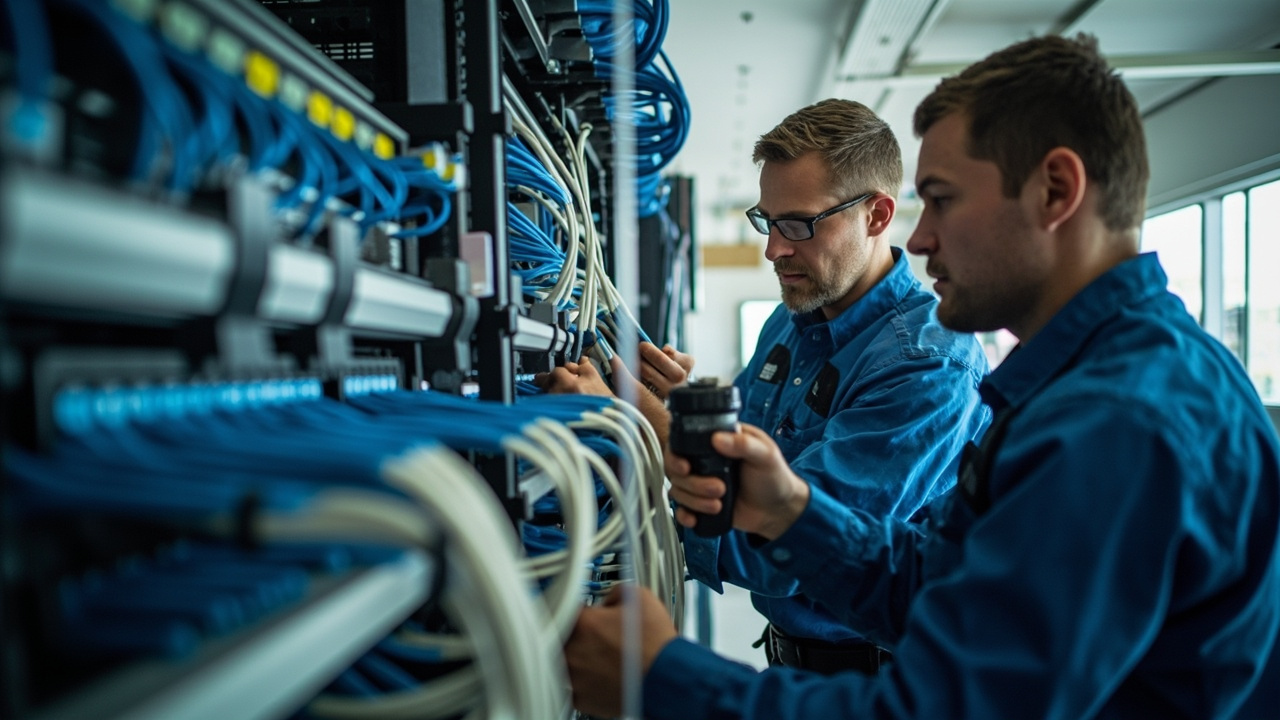
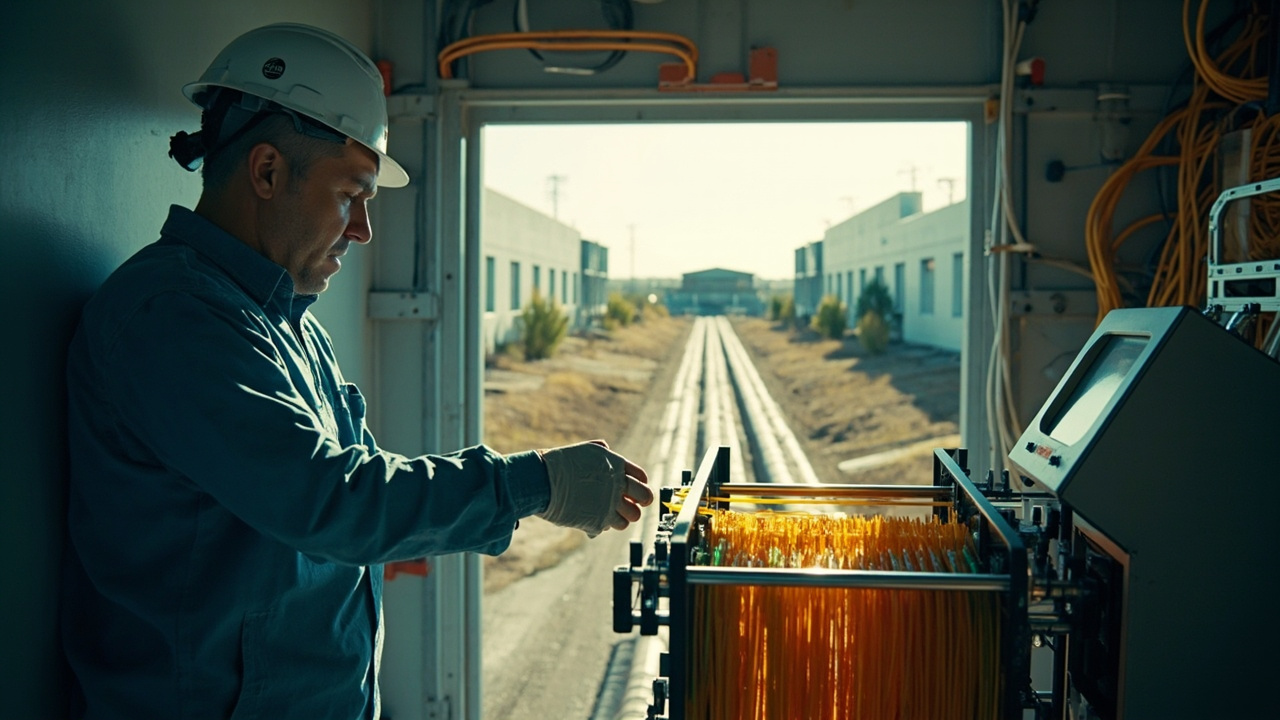
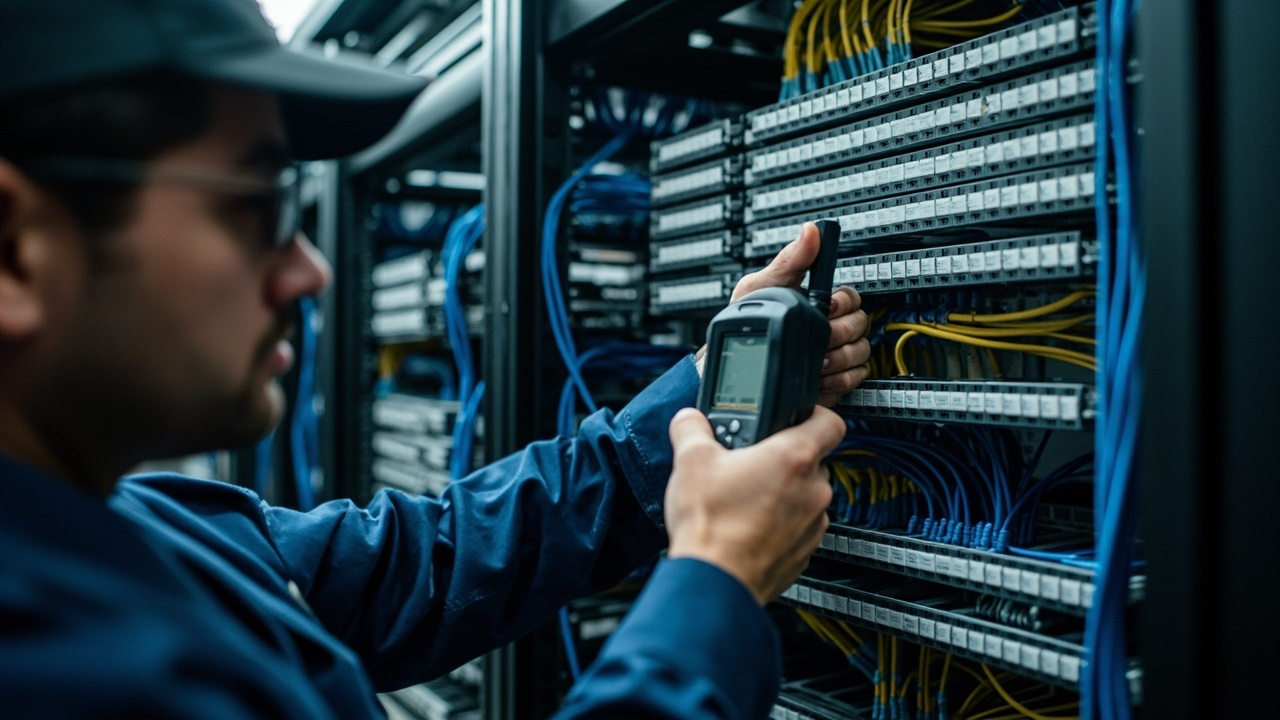
A small visual sample connected to this topic.
call handling
Business call routing across multiple locations with reception and staff connect…
 service area
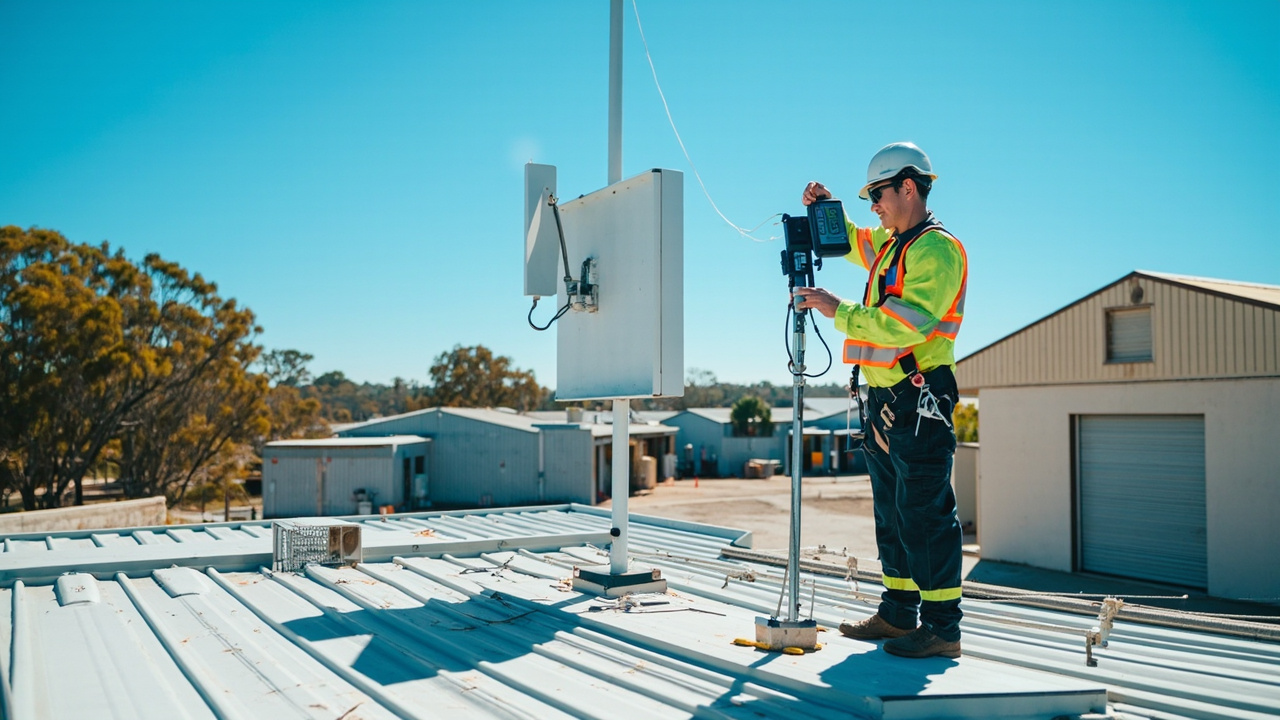
Professional business technology scene illustrating for multi site call routing …
service area
Professional business technology scene illustrating for multi site call routing …
 service area
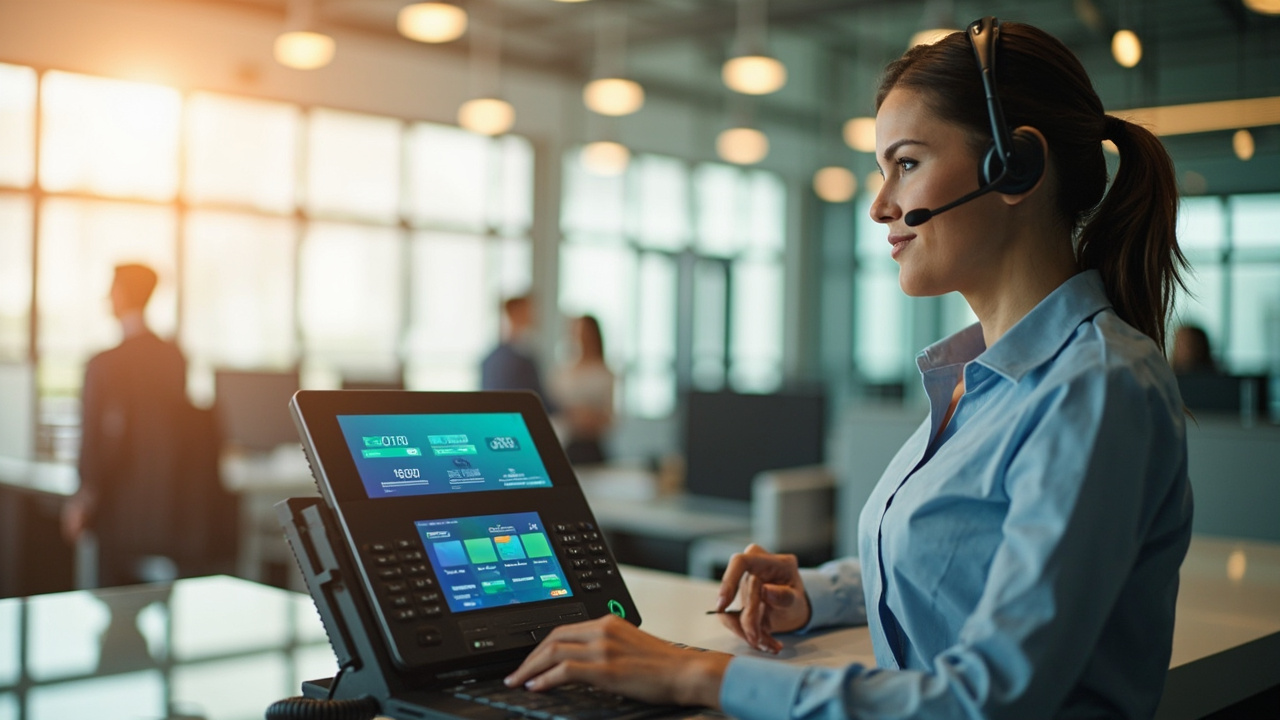
Professional business technology scene illustrating for reception call handling …
service area
Professional business technology scene illustrating for reception call handling …
 service area
Professional business technology scene illustrating for cloud communications acr…
service area
Professional business technology scene illustrating for cloud communications acr…
 service area
Professional business technology scene illustrating for phone system for a growi…
service area
Professional business technology scene illustrating for phone system for a growi…