
Conversation Topic
Alarms Back-to-Base Monitoring and Integrated Security
A commercial alarm system detects defined events and triggers local or remote responses. Back-to-base monitoring can send alarm information to a monitoring service, while integration can add CCTV or access information to the event.
Useful questions, comparisons, examples and next-step checks around Alarms Back-to-Base Monitoring and Integrated Security.
Questions & Answers
Answers About Alarms Back-to-Base Monitoring and Integrated Security
These answers organise the topic into practical checks, comparisons and useful research notes.
A site assessment focuses on the actual site setup: the zones and areas to protect, entry/exit points, staff opening/closing procedures, and who has access. It also looks at detector placement, the communications path to monitoring, response contacts, and monitoring procedures, plus how alarms, access control, and CCTV will work together. The outcome is a designed alarm and access solution, coordinated monitoring, and a tested plan for how the connected sy…
2026-09-05 What concrete steps should we take to reduce false alarms on our site?A practical starting point is to review site zones, opening/closing procedures, and staff access. Update contact lists and ensure detectors and alerts are matched to actual risk areas; misconfiguration is a common cause of false alarms. Then test the end-to-end chain: confirm the communications path to your monitoring service and the on-site response contacts, and run a controlled drill to confirm what happens when an alarm occurs. Use results to adjust de…
2026-07-31 How can a business reduce avoidable false alarms?Poor zoning, outdated contact lists, unclear opening procedures and integration that has not been tested can create false alarms or slow the response to a real event. The plan should consider site zones, opening and closing, staff access, duress, after-hours activity, detectors, communications path, response contacts, monitoring procedures and how false alarms will be reduced.
 7 Q&A
CAT6 and CAT6A Structured Cabling
7 Q&A
CAT6 and CAT6A Structured Cabling
 7 Q&A
Fibre Optic Cabling and Long-Distance Networks
7 Q&A
Fibre Optic Cabling and Long-Distance Networks
 6 Q&A
Communications Racks Testing Labelling and Fault Finding
6 Q&A
Communications Racks Testing Labelling and Fault Finding
 7 Q&A
Business Wi-Fi and Wireless Networks
7 Q&A
Business Wi-Fi and Wireless Networks
 8 Q&A
Point-to-Point Wireless Links
8 Q&A
Point-to-Point Wireless Links
Monitoring contracts, response procedures, communications paths, licences, police or guard response and current regulatory requirements should be confirmed directly. Pricing, availability, specifications, compatibility, lead times, service coverage and support arrangements can change, so decision-critical details should be confirmed directly with Pacific Telephone & Data.
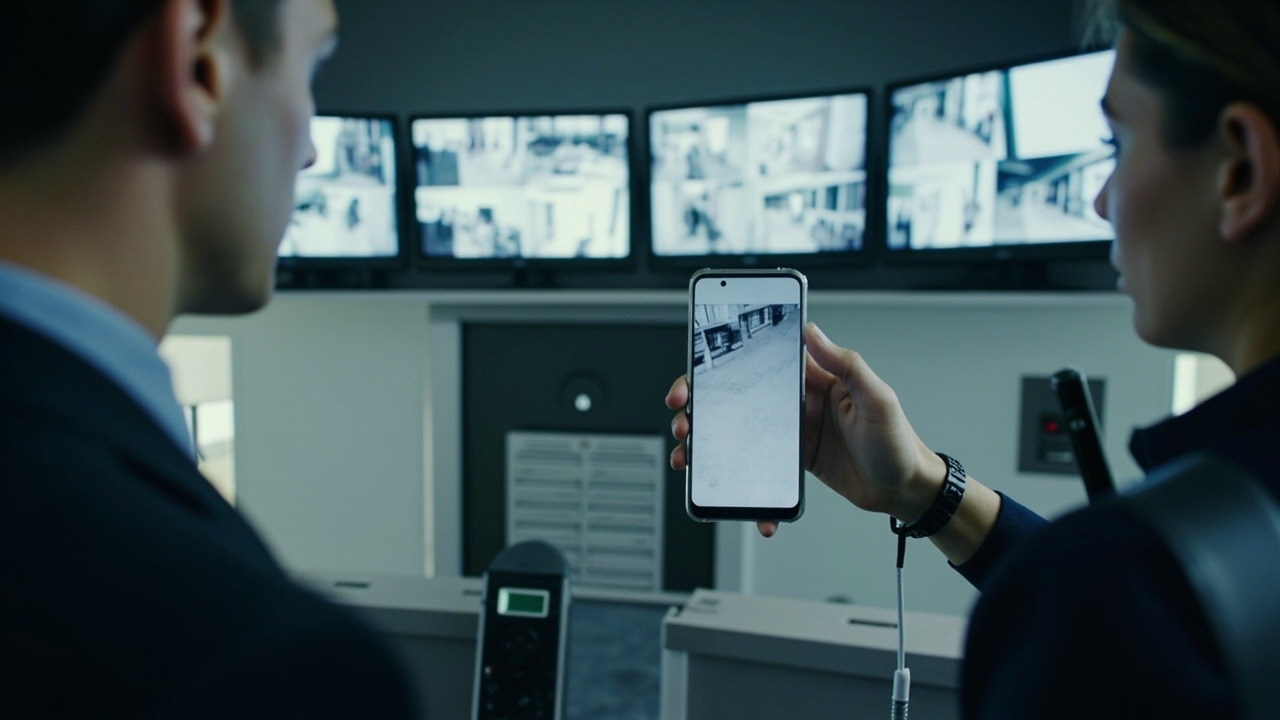
2026-07-30 How can alarms, access control and CCTV work together?When compatible systems are integrated, an alarm can provide the event, access control can show door or credential activity, and CCTV can provide visual context. The value is a clearer picture of what happened rather than three systems operating without shared information. A commercial alarm system detects defined events and triggers local or remote responses. Back-to-base monitoring can send alarm information to a monitoring service, while integration ca…
2026-07-30 Why are alarm zones and staff procedures important?The plan should consider site zones, opening and closing, staff access, duress, after-hours activity, detectors, communications path, response contacts, monitoring procedures and how false alarms will be reduced. Pacific can assess the site, design an alarm and access solution using supported products, coordinate monitoring or related services and test how the connected systems behave in agreed scenarios.
 10 Q&A
Commercial CCTV Design and Installation
10 Q&A
Commercial CCTV Design and Installation
 7 Q&A
Camera Placement Lighting and Recorder Location
7 Q&A
Camera Placement Lighting and Recorder Location
 6 Q&A
NVR DVR Video Management and Remote Monitoring
6 Q&A
NVR DVR Video Management and Remote Monitoring
 6 Q&A
Access Control Door Intercoms and Staff Access
6 Q&A
Access Control Door Intercoms and Staff Access
 6 Q&A
Meeting-Room AV Smart Boards and Control Systems
6 Q&A
Meeting-Room AV Smart Boards and Control Systems
A commercial alarm system is normally designed around defined risks such as unauthorised entry, movement in protected zones, duress or other agreed site events. The exact protection depends on the detectors, zones, operating procedures and response arrangement selected for the premises. A commercial alarm system detects defined events and triggers local or remote responses. Back-to-base monitoring can send alarm information to a monitoring service, while …
2026-07-29 What is back-to-base alarm monitoring?Back-to-base monitoring sends alarm events through an agreed communications path to a monitoring service, which then follows the customer’s response instructions. It is different from a local siren alone because an event can be acted on even when no one is present at the site. A commercial alarm system detects defined events and triggers local or remote responses. Back-to-base monitoring can send alarm information to a monitoring service, while integratio…



Visual Examples
Images That Support Alarms Back-to-Base Monitoring and Integrated Security
A small visual sample connected to this topic.
integrated security
Integrated commercial security system combining alarms, CCTV, access control and…
 service area
Professional business technology scene illustrating for alarm cctv and access wo…
service area
Professional business technology scene illustrating for alarm cctv and access wo…
 service area
Professional business technology scene illustrating for remote security monitori…
service area
Professional business technology scene illustrating for remote security monitori…
 service area
Professional business technology scene illustrating for staff card access create…
service area
Professional business technology scene illustrating for staff card access create…
 service area
Professional business technology scene illustrating for cctv survey of entrances…
service area
Professional business technology scene illustrating for cctv survey of entrances…