
Conversation Topic
End-to-End Business Technology Integration
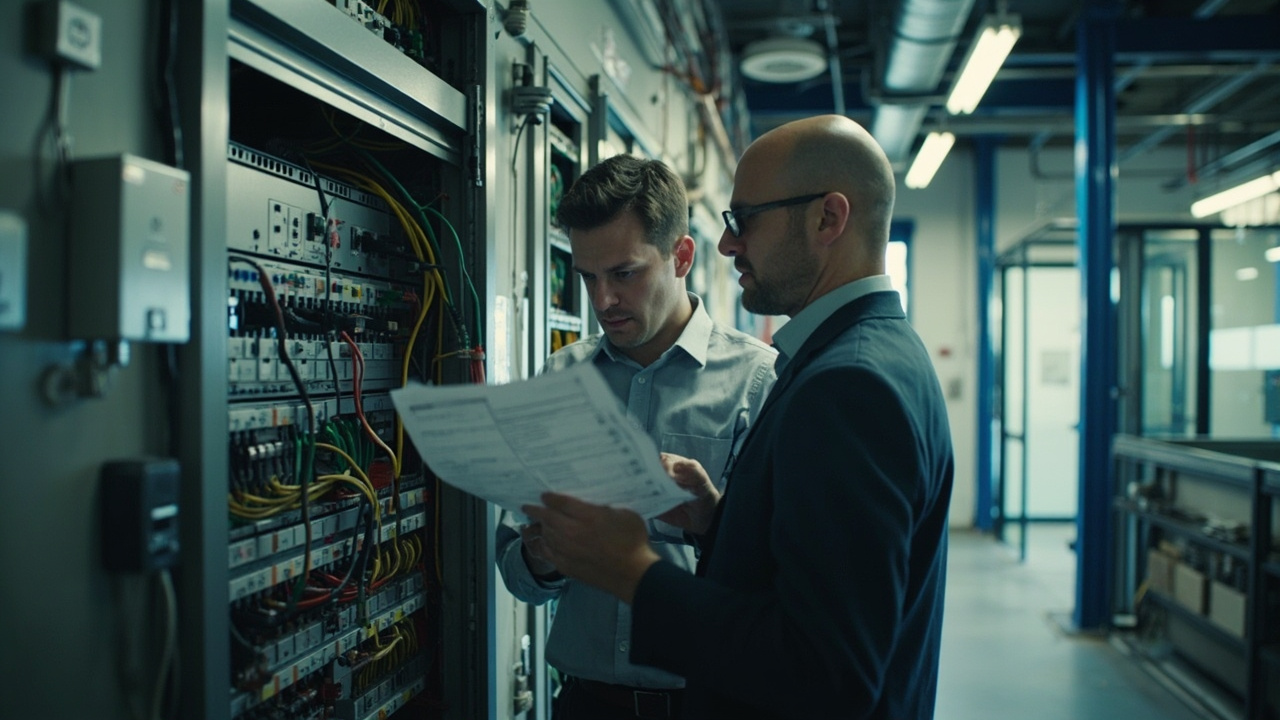
End-to-end integration means looking at phone systems, structured cabling, fibre, Wi-Fi, CCTV, access control, alarms and AV as connected parts of the workplace. The aim is to reduce gaps between suppliers and make the total system easier to operate and support.
Useful questions, comparisons, examples and next-step checks around End-to-End Business Technology Integration.

Questions & Answers
Answers About End-to-End Business Technology Integration
These answers organise the topic into practical checks, comparisons and useful research notes.
We run a structured CCTV integration test that follows the site survey findings. This includes confirming camera coverage matches planned zones, verifying retention and playback times, and ensuring feeds interface with other security layers such as access control or alarms. We also check storage capacity, bandwidth, remote monitoring access, and privacy/compliance settings. During testing we validate how CCTV feeds interact with other systems and document …
2026-08-22 What does a typical end-to-end integration timeline look like for a new office?Timelines begin with a site survey and scoping, then design, ordering, staging, and finally installation. Because end-to-end integration touches multiple trades—cabling, fibre, networks, phones, security, wireless and AV—the work is staged to keep interfaces aligned and tested together. For a new office, Pacific plans a coordinated schedule that matches fit-out milestones so everyone knows when each piece should be ready. Final timing depends on office siz…
2026-08-21 What CCTV features should I prioritise for my site?A CCTV prioritisation starts with a site survey to map coverage areas, entry points and lighting, so you know how many cameras you need and what they should monitor. It also helps define retention and playback times and who will access footage. Because we work in an end-to-end way, CCTV isn’t planned in isolation. We line it up with cabling, network, and security systems so feeds can feed access control or alarms, and you can monitor remotely. We'll also c…
 7 Q&A
Business Headsets and Communication Accessories
7 Q&A
Business Headsets and Communication Accessories
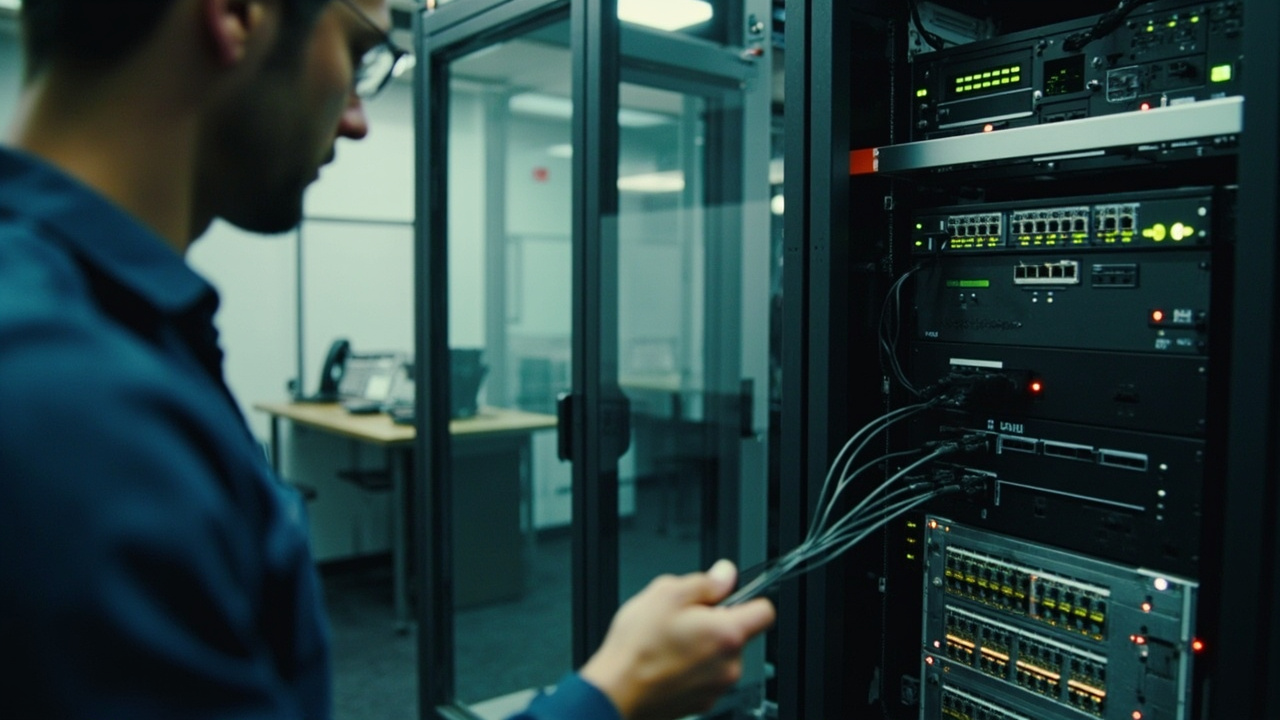 7 Q&A
VoIP Security and Session Border Controllers
7 Q&A
VoIP Security and Session Border Controllers
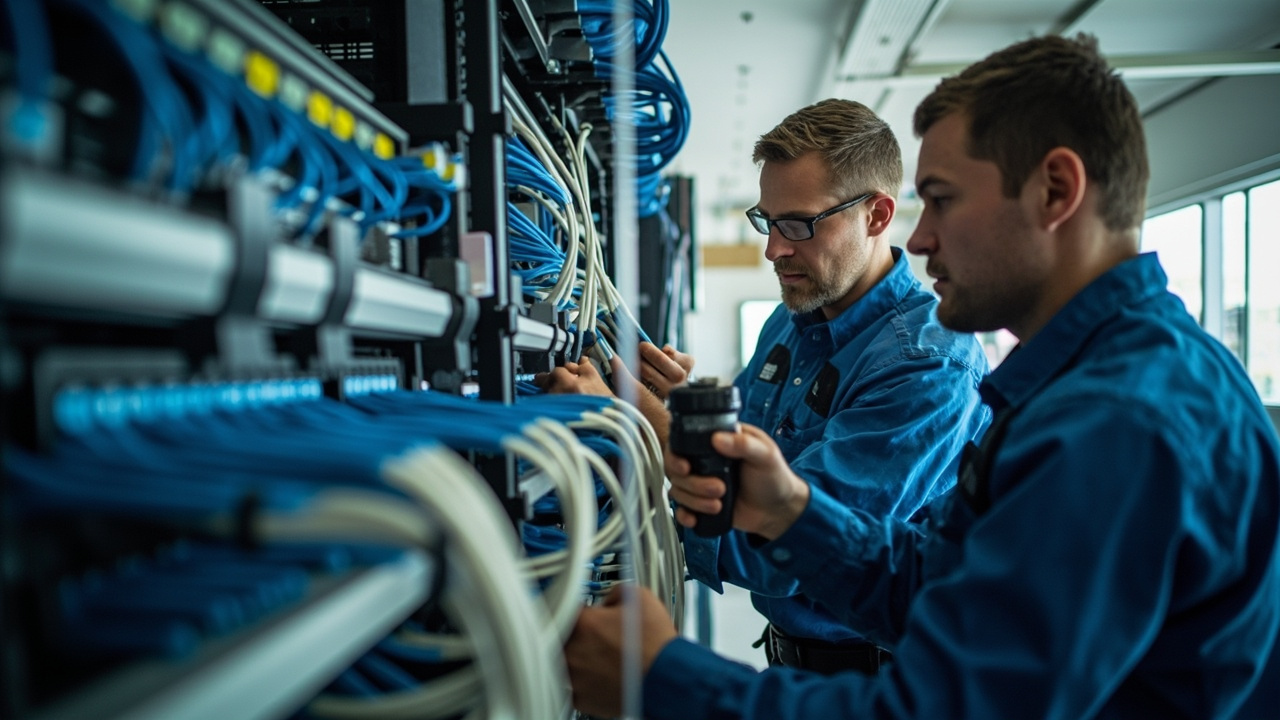 7 Q&A
CAT6 and CAT6A Structured Cabling
7 Q&A
CAT6 and CAT6A Structured Cabling
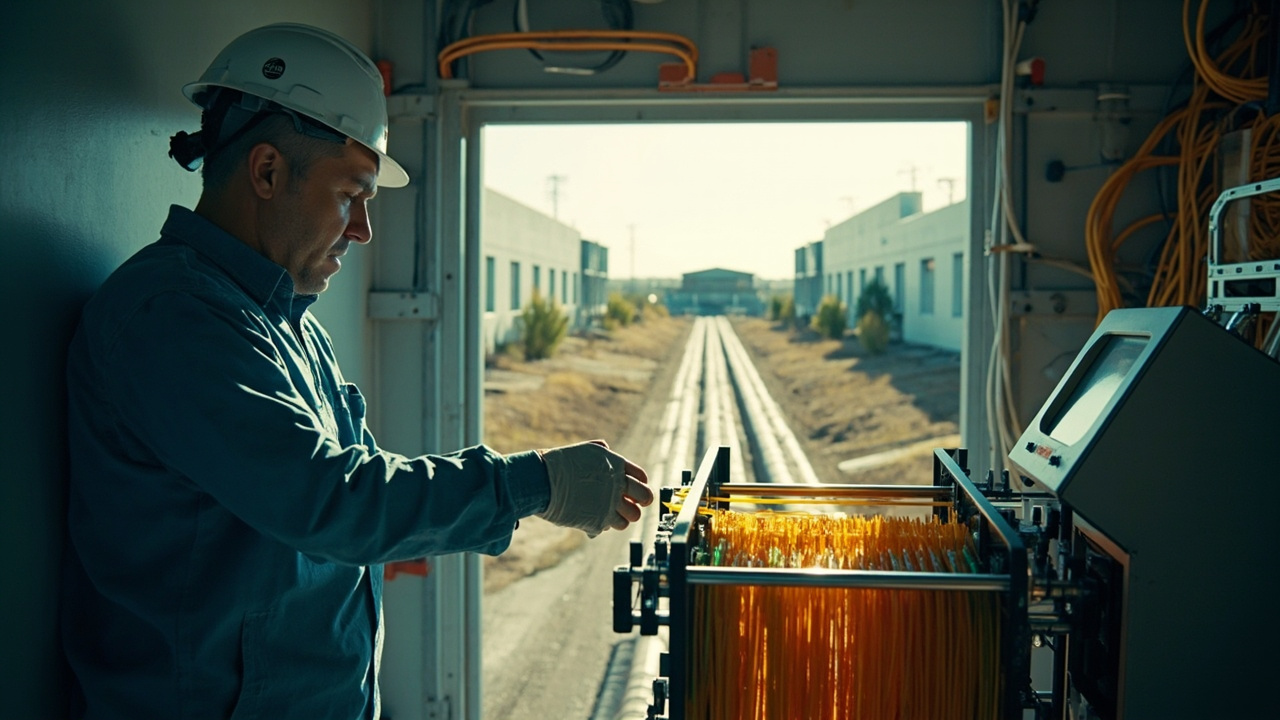 7 Q&A
Fibre Optic Cabling and Long-Distance Networks
7 Q&A
Fibre Optic Cabling and Long-Distance Networks
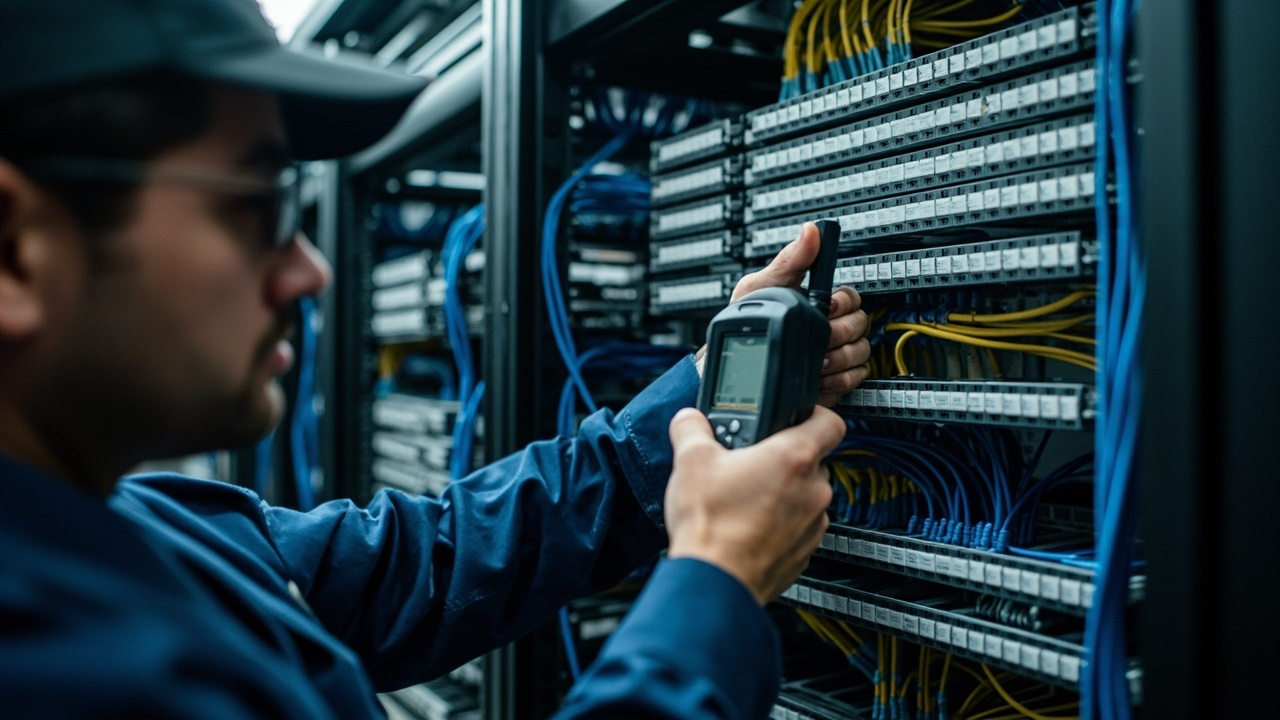 6 Q&A
Communications Racks Testing Labelling and Fault Finding
6 Q&A
Communications Racks Testing Labelling and Fault Finding
The practical way to assess End-to-End Business Technology Integration is to start with the real need, then compare what is included, how it works, who it suits, what evidence supports it and which details still require direct confirmation from Pacific Telephone & Data. This topic covers the value of planning communications, data, security, wireless and AV as one connected business system rather than a collection of unrelated installations. End-to-end inte…
2026-08-13 What should I compare before choosing End-to-End Business Technology Integration?Compare End-to-End Business Technology Integration against the intended use rather than one headline feature. Weigh suitability, quality, practical effort, timing, support, total cost, limitations and the evidence available, then decide which differences would materially change the outcome. This topic covers the value of planning communications, data, security, wireless and AV as one connected business system rather than a collection of unrelated installat…
2026-05-11 What problems can appear when systems are designed in isolation?Systems designed in isolation can compete for rack space, network capacity, cable routes, power and access arrangements. They may also duplicate infrastructure or leave gaps where each supplier assumes another party is responsible. Installing each system in isolation can lead to duplicated cabling, unsuitable rack space, poor network capacity, conflicting access arrangements and unclear responsibility when faults cross system boundaries. A useful assessme…
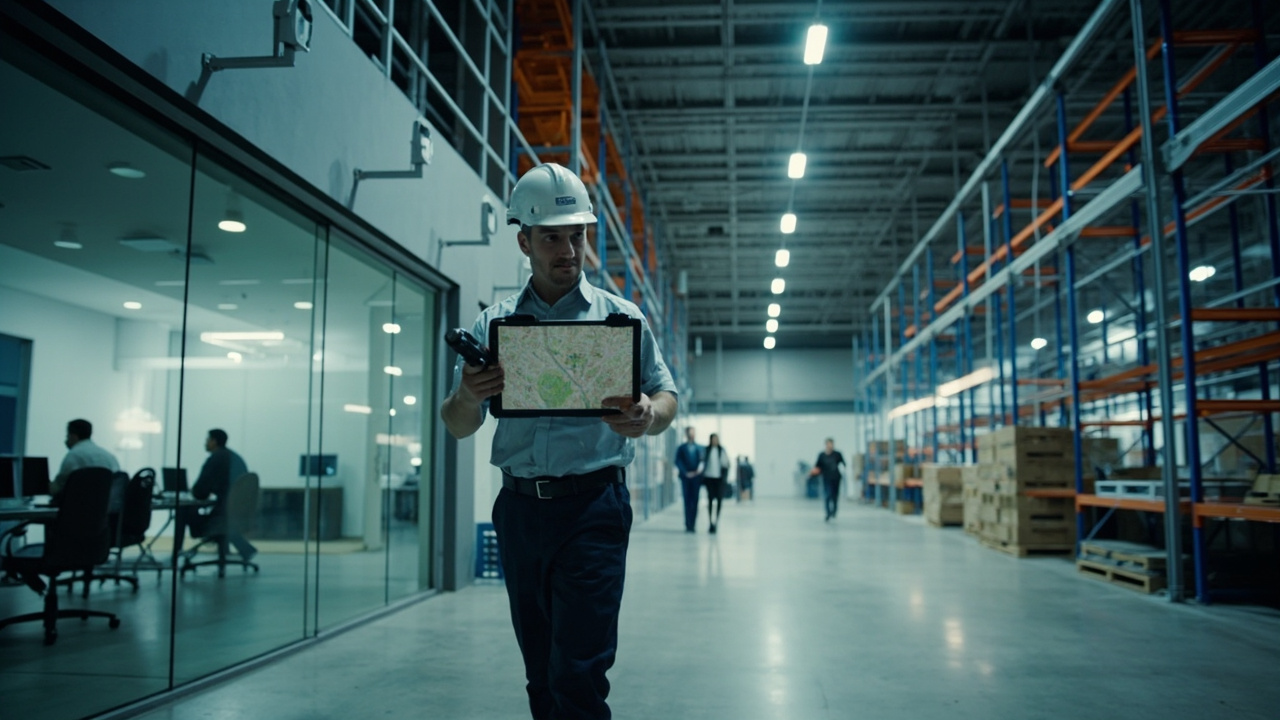 7 Q&A
Business Wi-Fi and Wireless Networks
7 Q&A
Business Wi-Fi and Wireless Networks
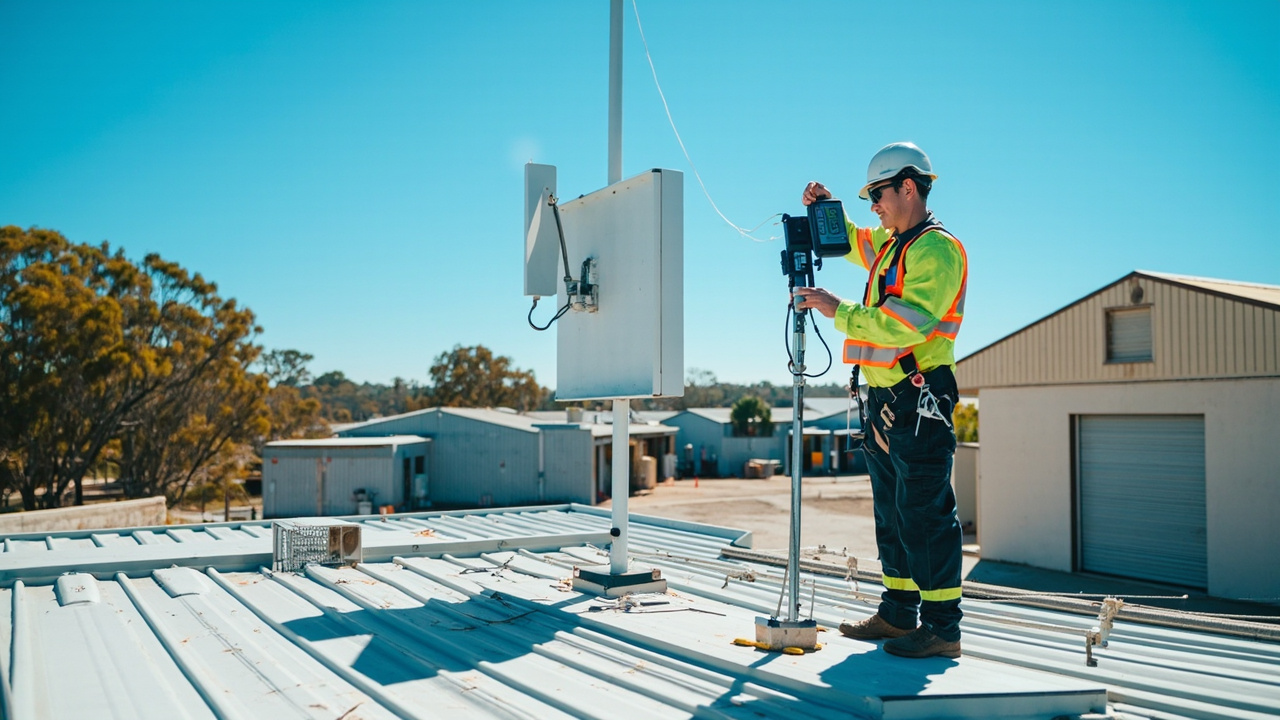 8 Q&A
Point-to-Point Wireless Links
8 Q&A
Point-to-Point Wireless Links
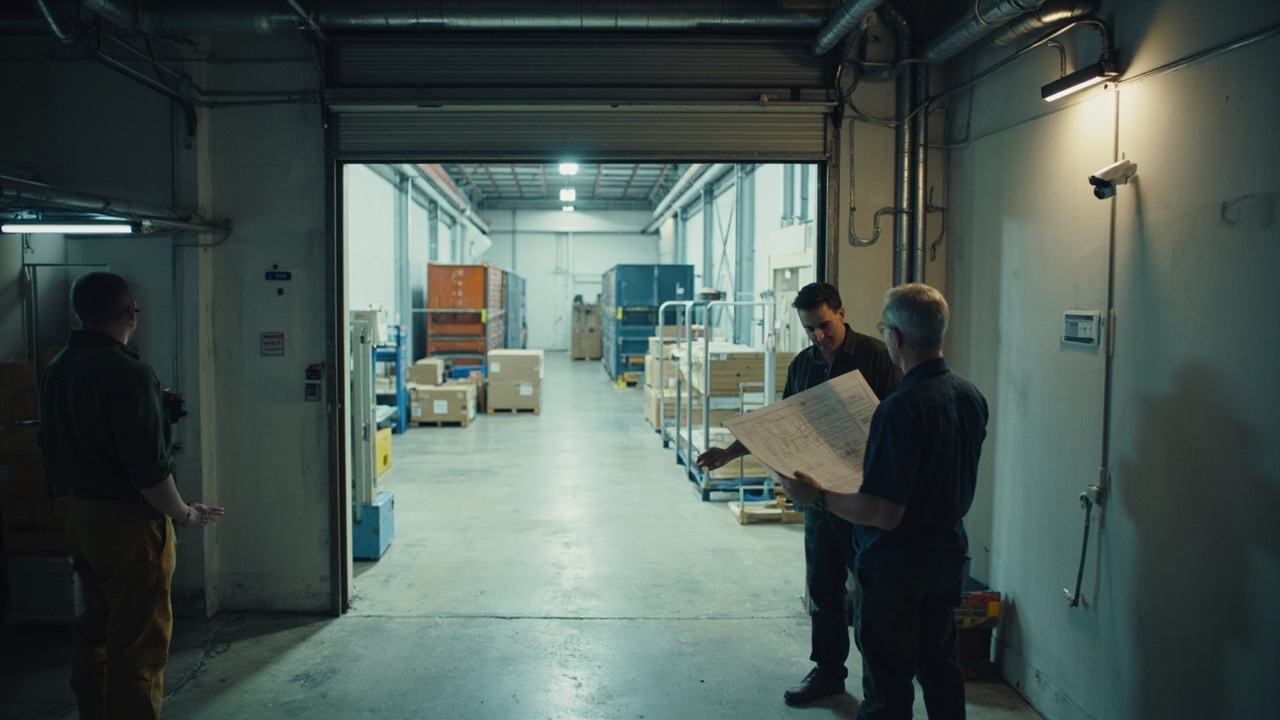 10 Q&A
Commercial CCTV Design and Installation
10 Q&A
Commercial CCTV Design and Installation
 7 Q&A
Camera Placement Lighting and Recorder Location
7 Q&A
Camera Placement Lighting and Recorder Location
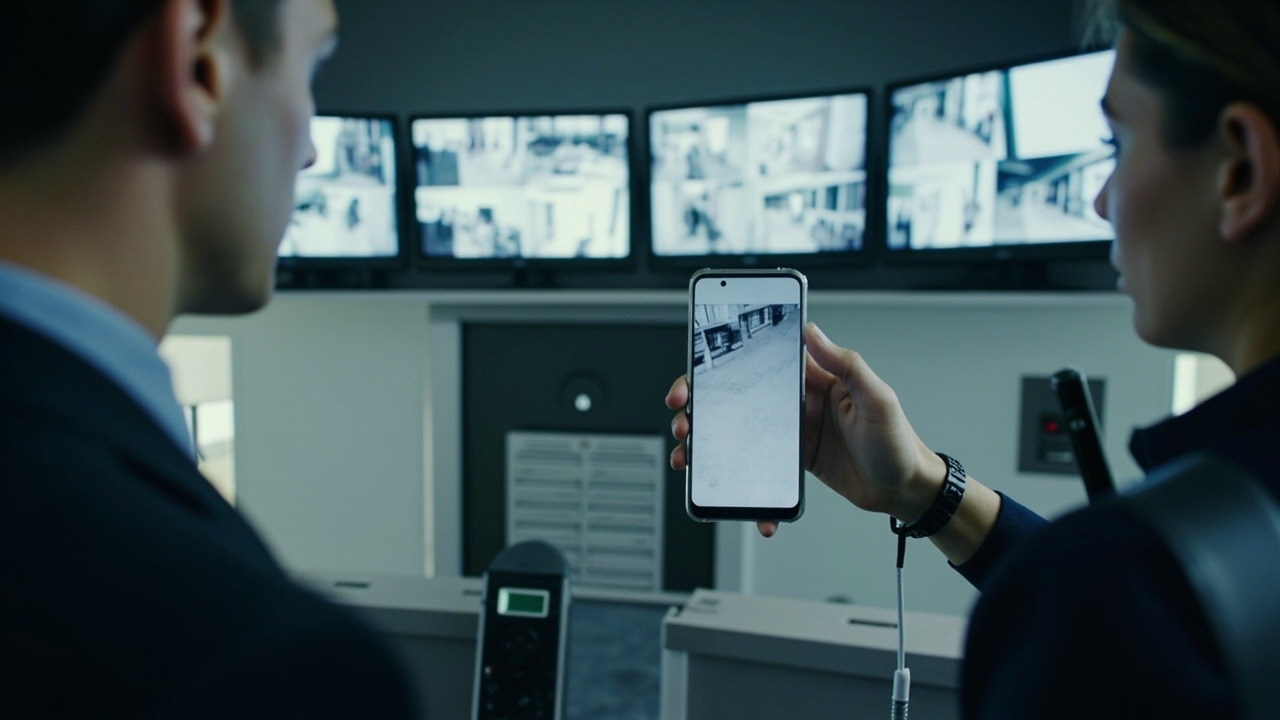 6 Q&A
NVR DVR Video Management and Remote Monitoring
6 Q&A
NVR DVR Video Management and Remote Monitoring
The Own The Conversation Digital Twin capability is a secondary extension of Pacific’s broader integration role. It helps a business organise approved public knowledge so customers and AI search systems can understand its services through a conversational assistant and structured Q&A website. Pacific’s core role remains the design and support of communications, data, security, wireless and AV systems; the Digital Twin is an additional option where the cust…
2026-05-10 How can using one technology integrator reduce project risk?One integrator can see how cabling, networks, phones, security, access and AV depend on each other. That makes it easier to identify shared infrastructure, coordinate interfaces and establish responsibility before a fault or variation occurs. Installing each system in isolation can lead to duplicated cabling, unsuitable rack space, poor network capacity, conflicting access arrangements and unclear responsibility when faults cross system boundaries. A usef…
2026-05-10 When is an integrated approach more useful than separate installations?This approach is especially useful for new offices, refurbishments, multi-site businesses and organisations replacing several ageing systems at once. End-to-end integration means looking at phone systems, structured cabling, fibre, Wi-Fi, CCTV, access control, alarms and AV as connected parts of the workplace. The aim is to reduce gaps between suppliers and make the total system easier to operate and support.
 6 Q&A
Access Control Door Intercoms and Staff Access
6 Q&A
Access Control Door Intercoms and Staff Access
 8 Q&A
Alarms Back-to-Base Monitoring and Integrated Security
8 Q&A
Alarms Back-to-Base Monitoring and Integrated Security
 6 Q&A
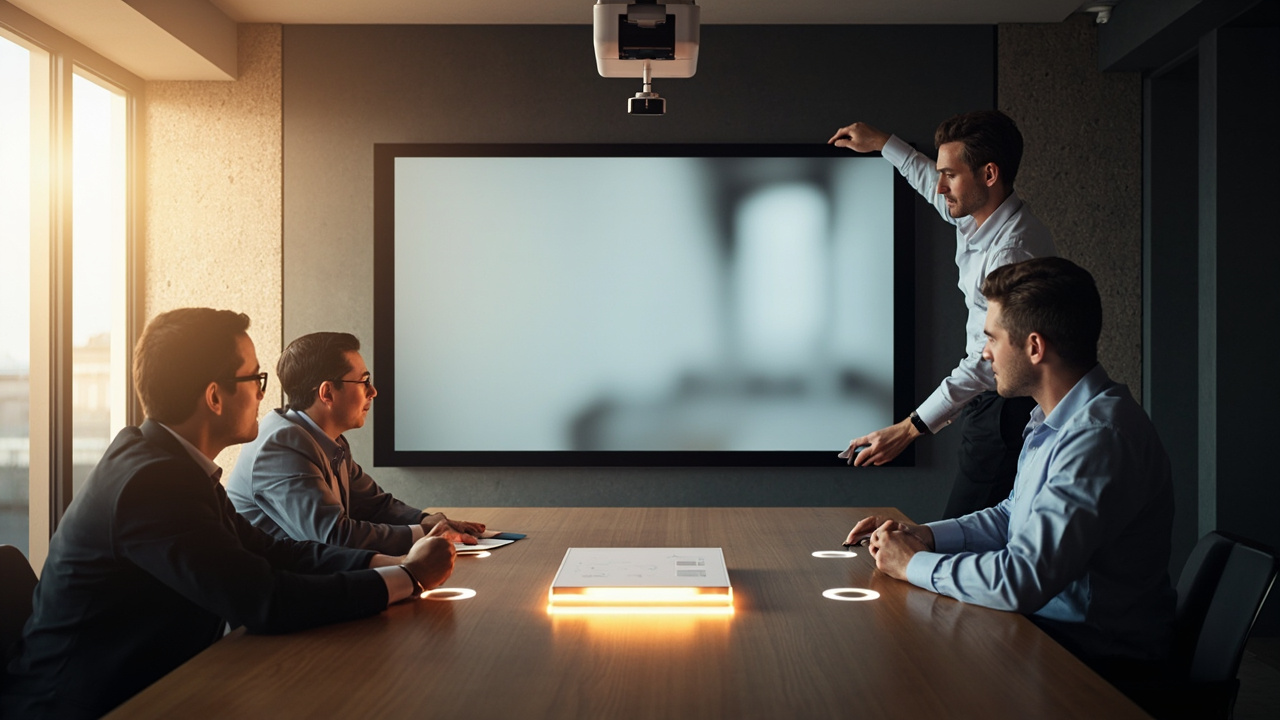
Meeting-Room AV Smart Boards and Control Systems
6 Q&A
Meeting-Room AV Smart Boards and Control Systems
 Topic
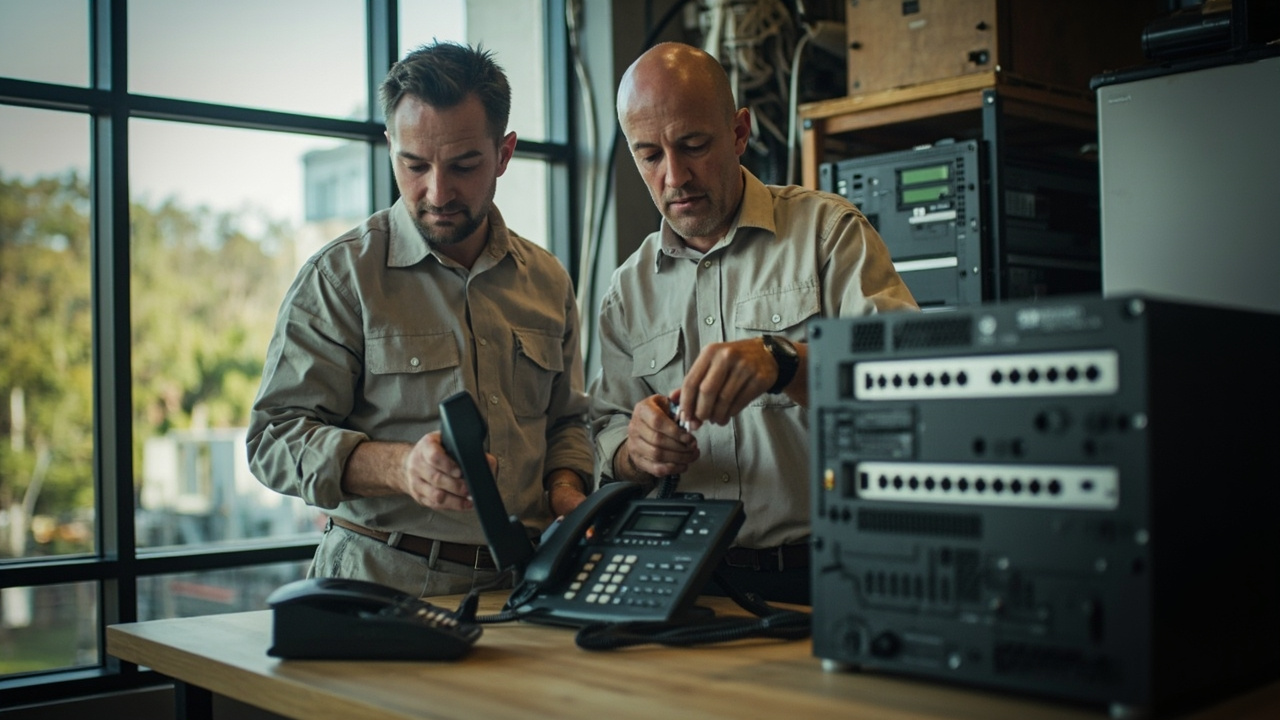
Pacific Telephone & Data Story and Local Experience
Topic
Pacific Telephone & Data Story and Local Experience
 9 Q&A
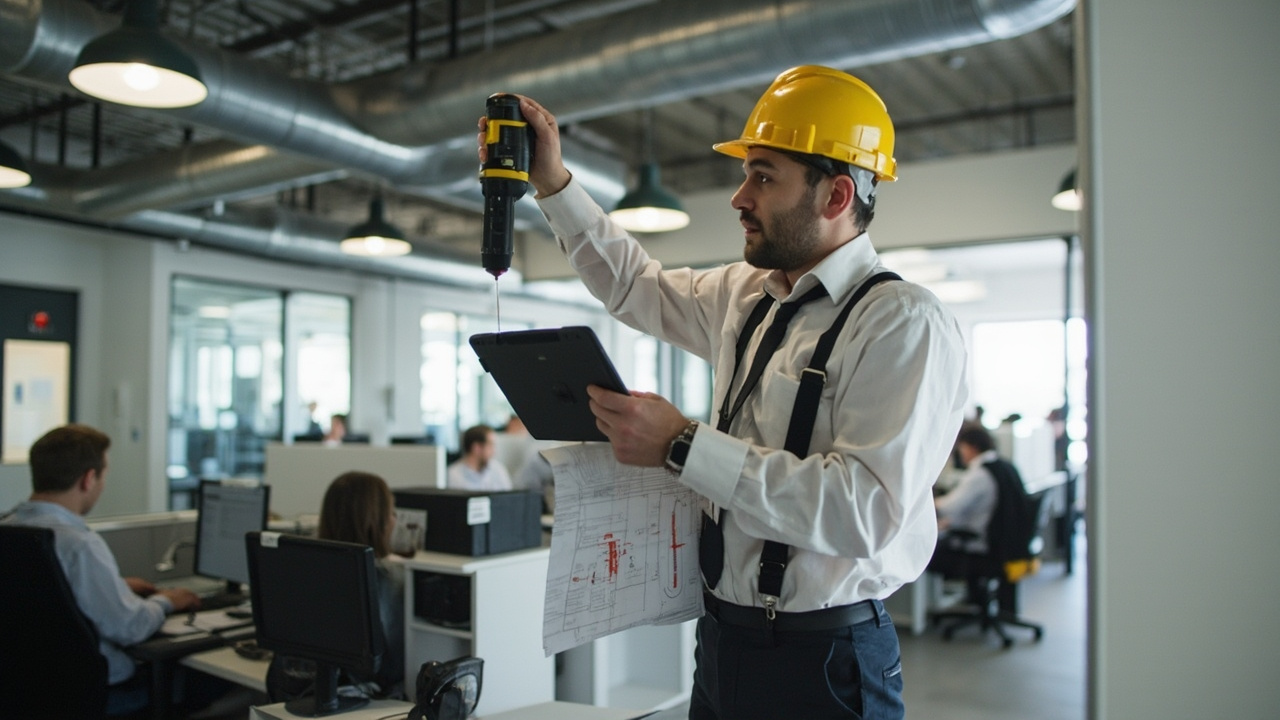
Technology Site Surveys and Accurate Quoting
9 Q&A
Technology Site Surveys and Accurate Quoting
End-to-end integration means looking at phone systems, structured cabling, fibre, Wi-Fi, CCTV, access control, alarms and AV as connected parts of the workplace. The aim is to reduce gaps between suppliers and make the total system easier to operate and support. Pacific can plan the connected scope, identify trade dependencies, stage equipment, coordinate installation and test how the systems work together. Where specialist electrical, locksmith or interne…
2026-05-09 Which workplace systems can be planned together?A useful assessment maps the people, spaces, devices, network paths, security requirements, call flows, access points, display needs and future changes that may affect more than one system. Pacific can plan the connected scope, identify trade dependencies, stage equipment, coordinate installation and test how the systems work together. Where specialist electrical, locksmith or internet-provider work is required, those dependencies can be identified early.
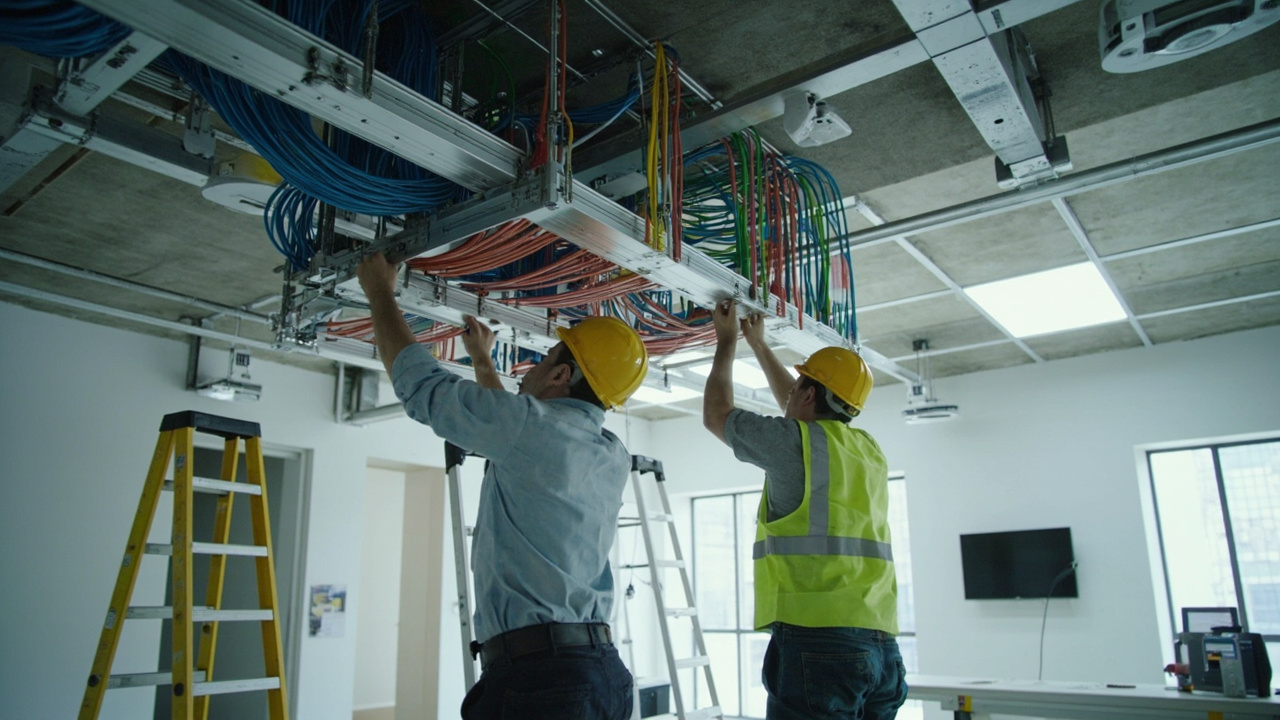

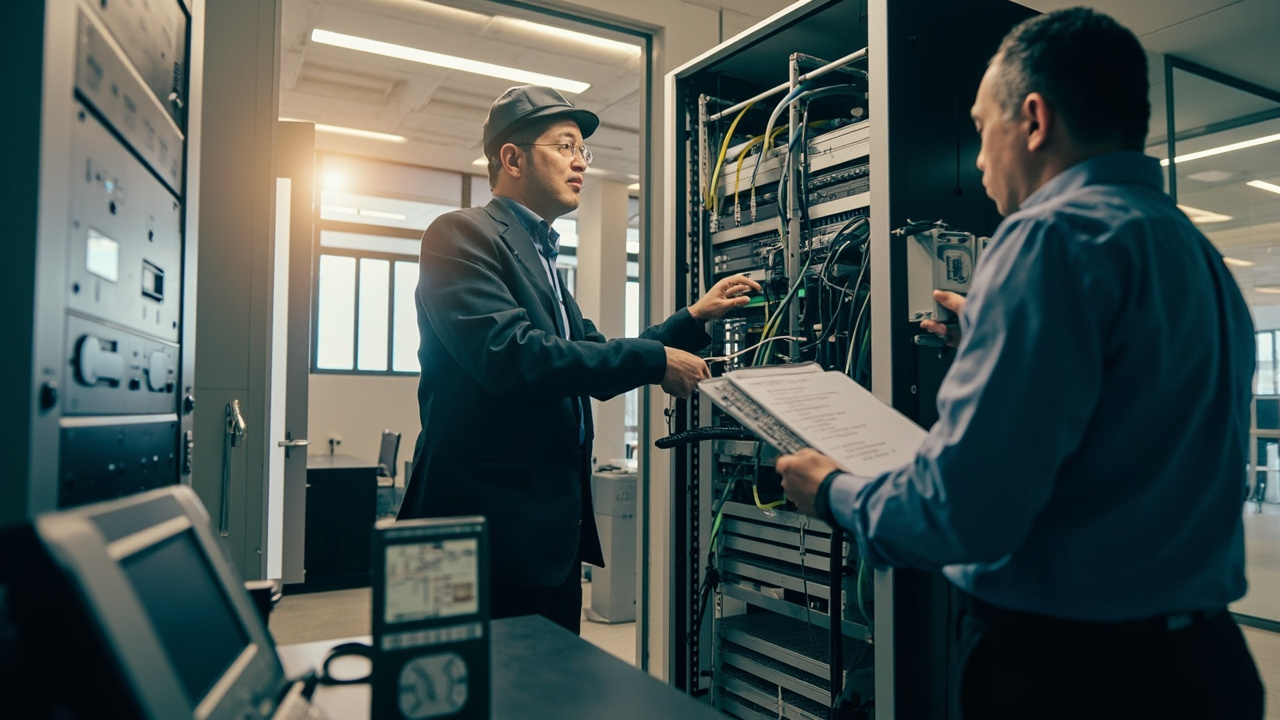


Visual Examples
Images That Support End-to-End Business Technology Integration
A small visual sample connected to this topic.
integrated workplace
Integrated commercial technology installation combining communications, data, se…
 service area
Professional business technology scene illustrating for one team across connecte…
service area
Professional business technology scene illustrating for one team across connecte…
 service area
Professional business technology scene illustrating for technology requirements …
service area
Professional business technology scene illustrating for technology requirements …
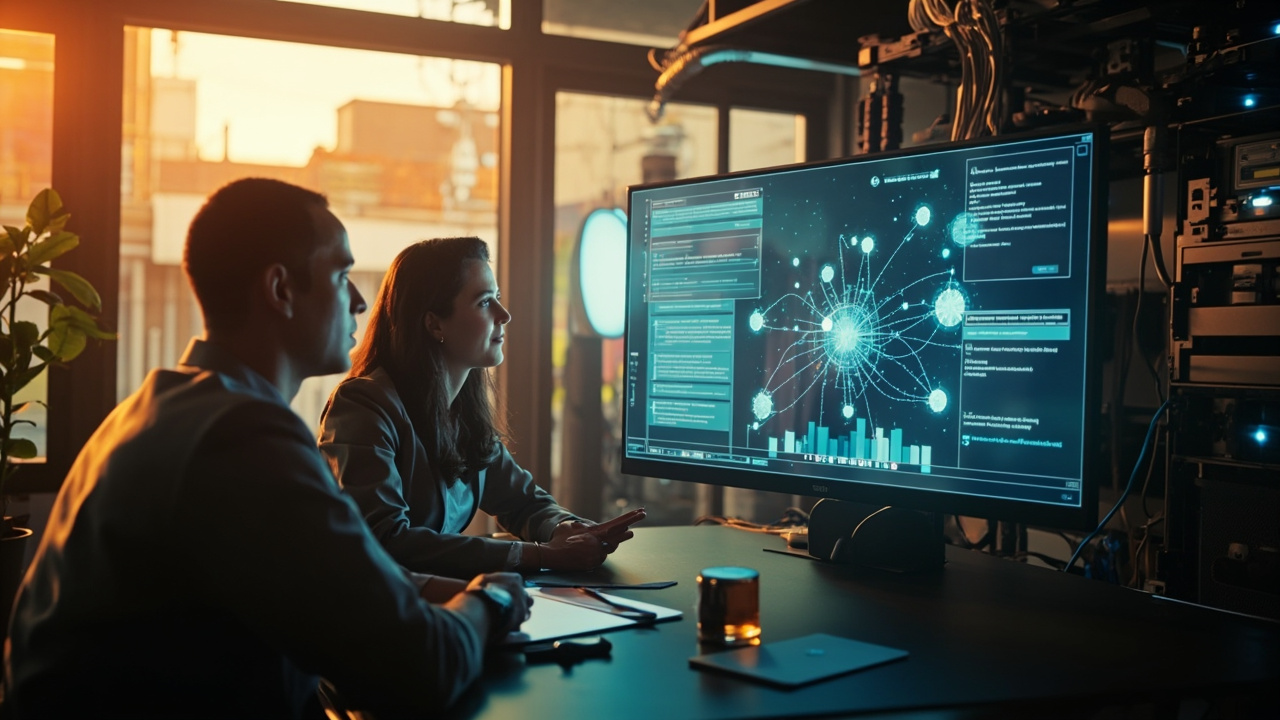 service area
Professional business technology scene illustrating for digital twin and ai visi…
service area
Professional business technology scene illustrating for digital twin and ai visi…
 service area
Professional business technology scene illustrating for from telephony roots to …
service area
Professional business technology scene illustrating for from telephony roots to …