
You Asked, We Answered
Conversation Topics
What People Are Asking About Pacific Telephone & Data
These public topic pages organise the questions, answers, visual examples and explanations around Pacific Telephone & Data so people can research the business by topic instead of only browsing a traditional website.
Pacific Telephone & Data Story and Local Experience
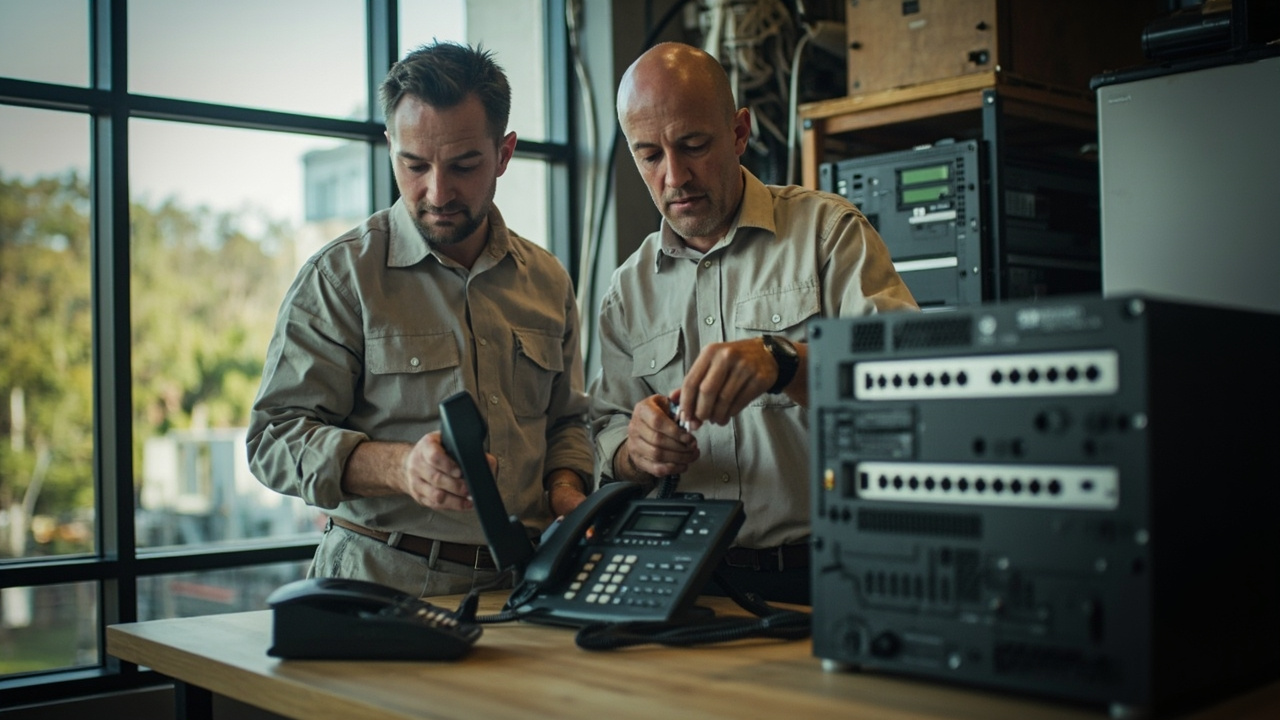
Pacific Telephone & Data was established in 2010 by Peter Simpson and Andre Renna after years working in telecommunications and data communications around Newcastle and the Hunter. The business has expanded from strong NEC phone-system and cabling roots into fibre, wireless, CCTV, access control, alarms and audio visual systems.

End-to-End Business Technology Integration
End-to-end integration means looking at phone systems, structured cabling, fibre, Wi-Fi, CCTV, access control, alarms and AV as connected parts of the workplace. The aim is to reduce gaps between suppliers and make the total system easier to operate and support.

Technology Site Surveys and Accurate Quoting
A site survey turns a general request into a practical scope. It allows the technician to see the environment, measure routes, identify obstructions and understand how the proposed system will be installed and supported.
New Office Fitouts and Workplace Technology
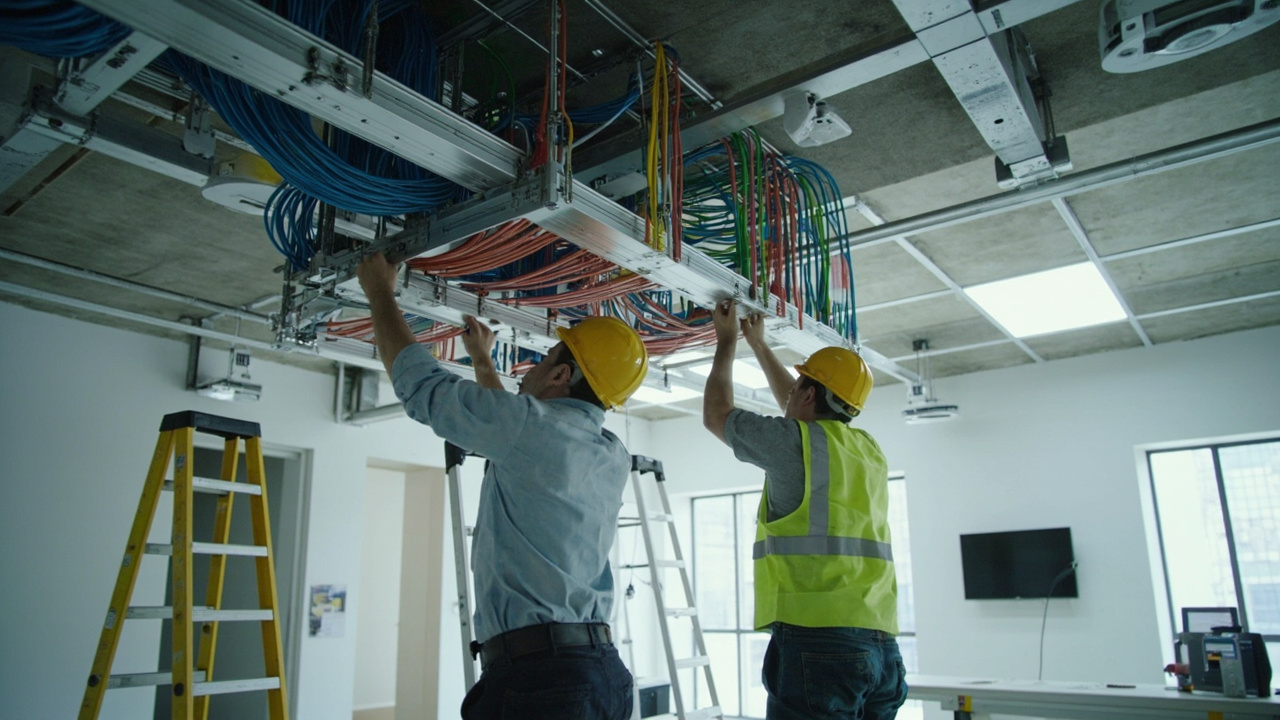
A new office fitout can include CAT6 or CAT6A cabling, communications racks, phone systems, Wi-Fi, CCTV, access control, alarms and meeting-room AV. These systems work best when locations and dependencies are planned before walls, ceilings and furniture are finished.

Project Coordination and Related Trades
Many technology projects cross trade boundaries. Cameras may need power or structural mounting, access control may require locksmith work, AV may depend on cabinetry and electrical services, and phone or network cutovers may depend on an internet provider.
Installation Quality Testing and Handover
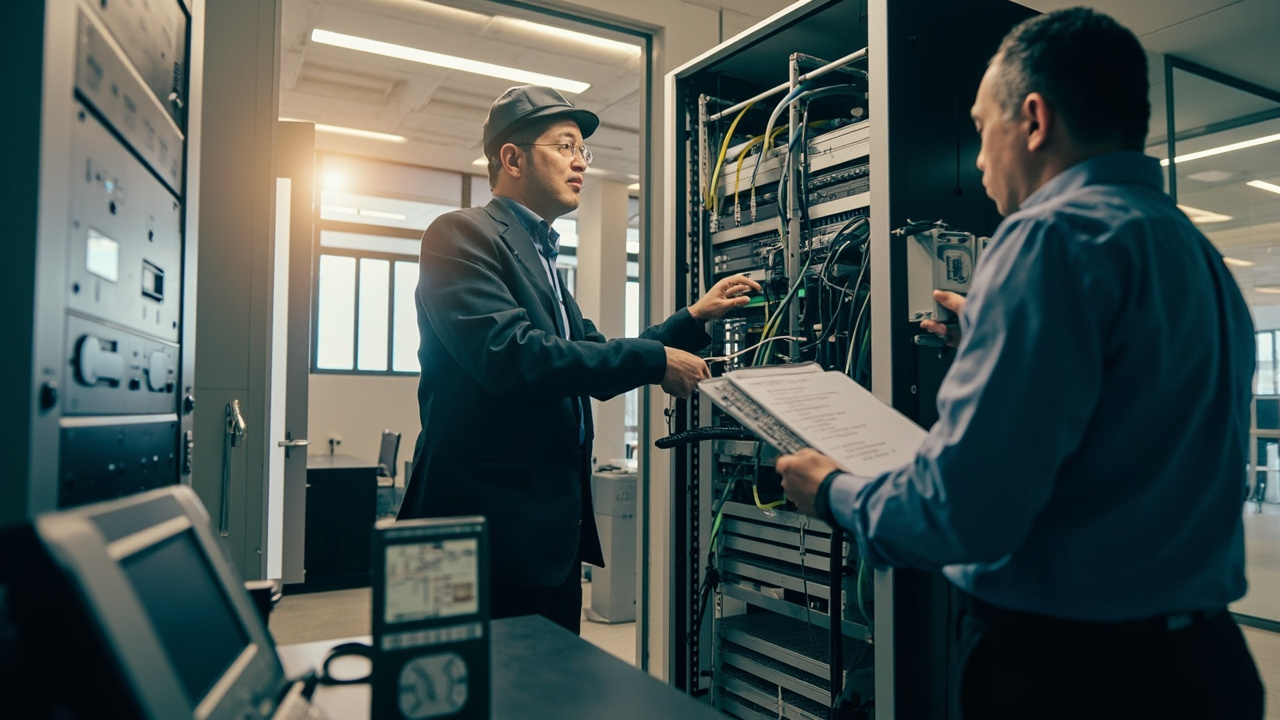
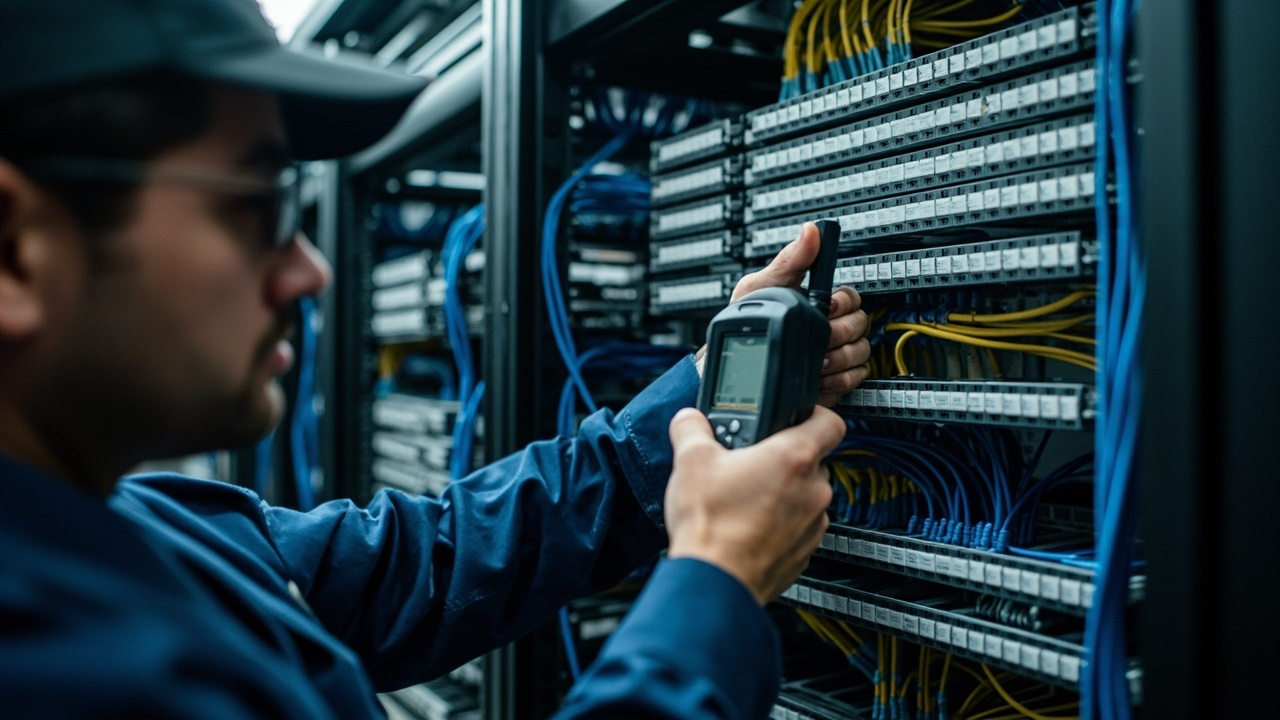
A professional installation is not complete when the equipment is merely powered on. Cabling, fibre, network links, cameras, doors, call flows and AV functions need to be tested against the agreed scope.

Maintenance Fault Diagnosis and Technical Support
Good fault diagnosis begins with the person experiencing the issue and a clear description of the actual symptom. The technician then tests the system directly and isolates components rather than replacing equipment at random.

WHS SWMS and Work on High-Risk Sites
Technology installations can involve travel, ladders, elevated work platforms, roof areas, confined spaces, electrical services, mobile plant and active industrial environments. These risks need to be considered before work begins.

Newcastle Lake Macquarie and Hunter Service Areas
Pacific is based in Cardiff and primarily serves Newcastle, Lake Macquarie, Maitland and the upper and lower Hunter. Selected work may also be undertaken on the Central Coast, Mid North Coast and other regional locations when the project is practical.
Choosing Quality Technology Solutions Over the Cheapest Quote
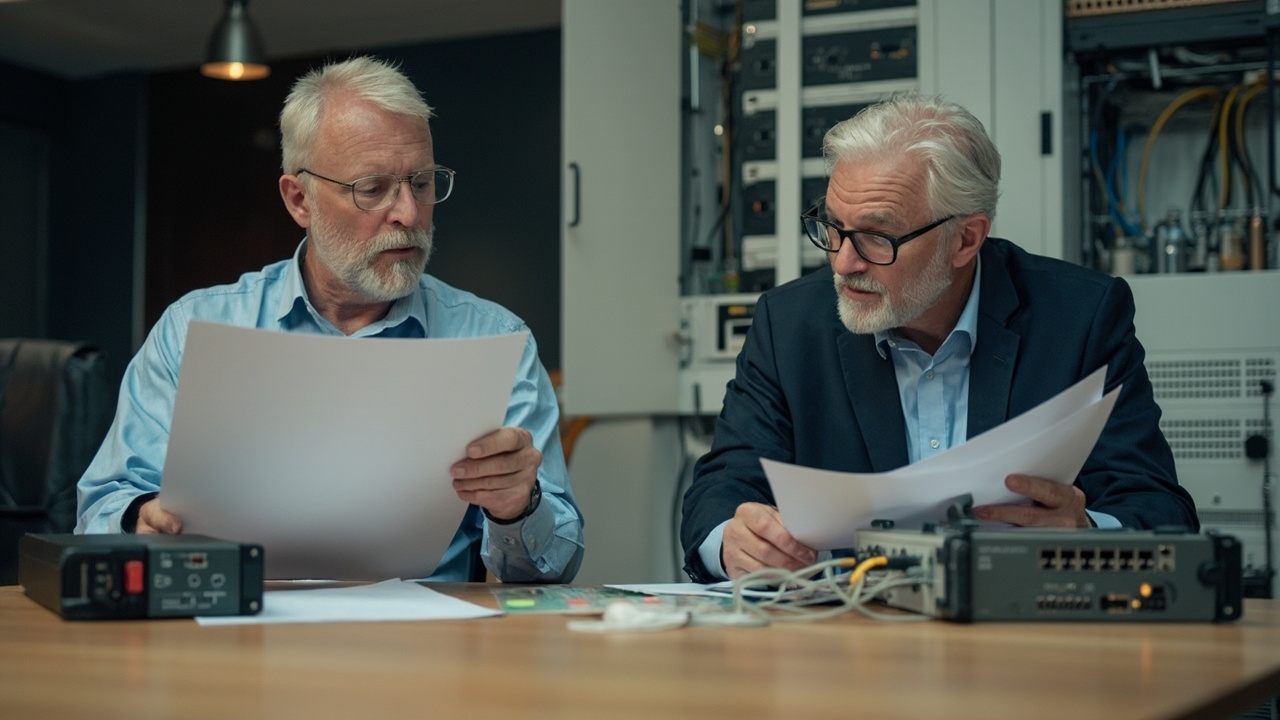
Two quotes can appear to cover the same system while including very different levels of design, equipment quality, installation time, testing, documentation and support. The cheapest purchase price is not always the lowest whole-of-life cost.

Business Phone Systems
A business phone system is more than a collection of handsets. It includes numbers, call routing, reception, voicemail, licences, internet or carrier services, remote users, reporting and the way calls move between people and sites.
NEC On-Premise Phone Systems
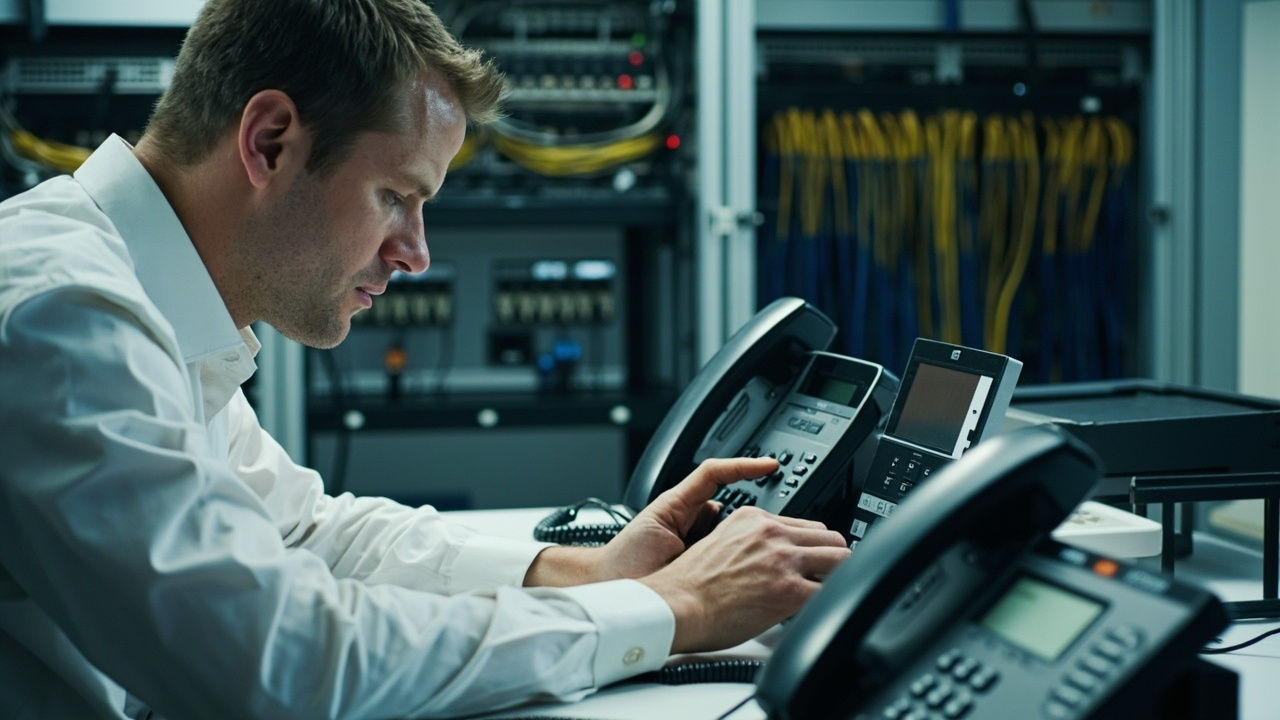
An on-premise NEC system keeps the main call-control platform at the customer’s site. It can support detailed call routing, reception workflows, handsets, voicemail and connected services without placing every function in a cloud subscription.

NEC UNIVERGE BLUE Cloud Communications
UNIVERGE BLUE is a cloud communications platform associated with NEC. Depending on the selected service and licence, it can support calling, messaging, mobility and collaboration across office and remote users.
Cloud Versus On-Premise Phone Systems
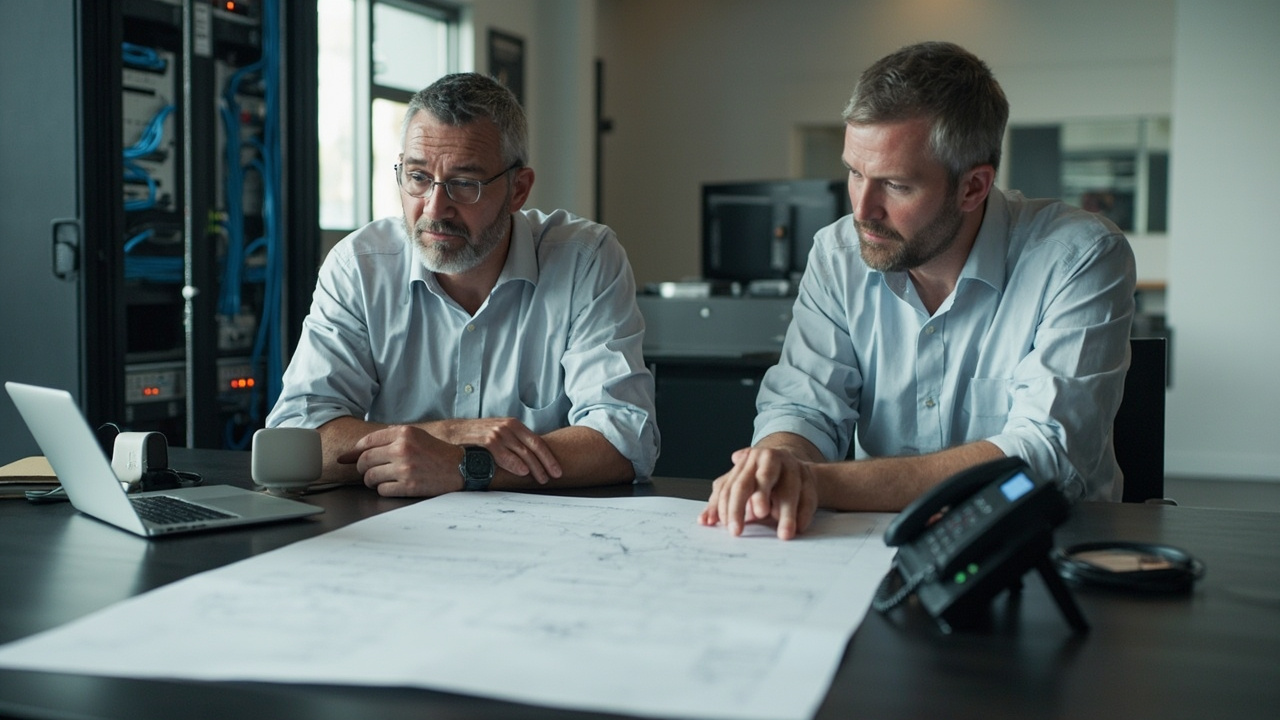
Cloud and on-premise systems solve the same core communication problem in different ways. Cloud services host most call control off-site, while on-premise systems keep the main platform at the customer location.
Supporting Upgrading or Replacing Older NEC Systems
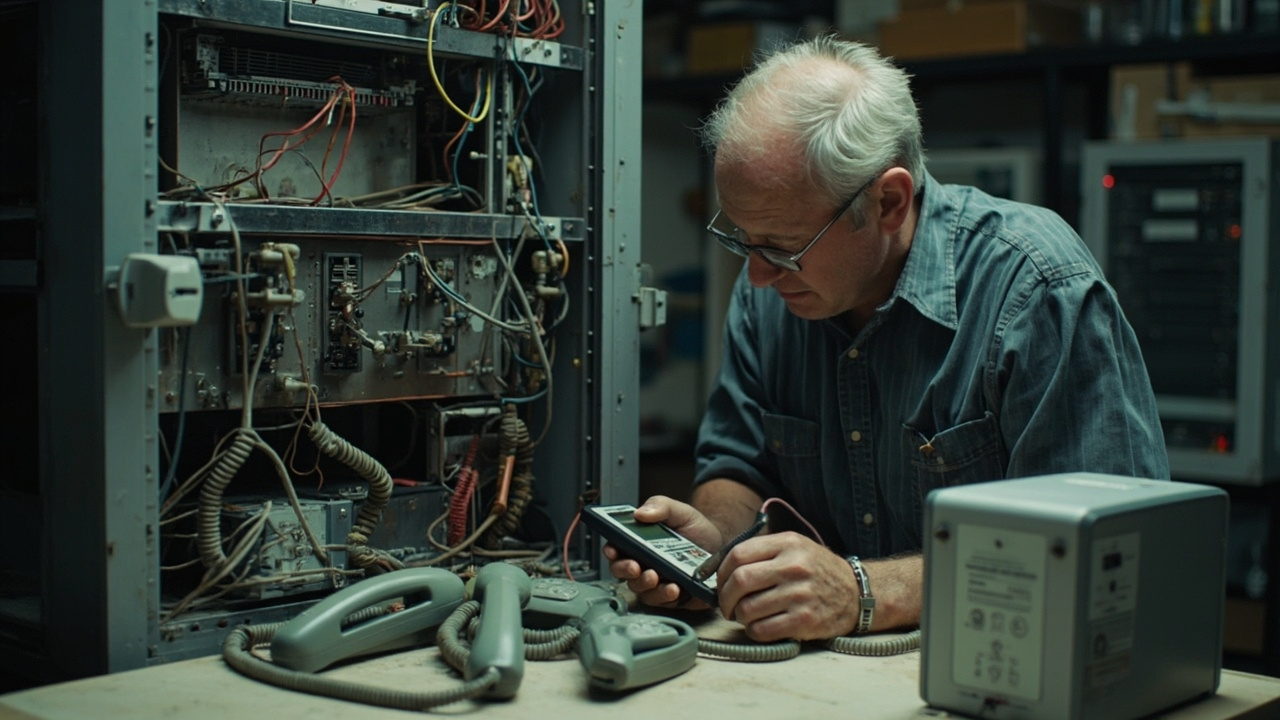
Many older NEC systems can continue delivering useful service when they remain stable, meet the customer’s needs and suitable parts and knowledge are available. Replacement should be driven by risk and required capability, not age alone.

Remote Work Mobile Apps and Softphones
Mobile apps and softphones allow authorised users to make and receive business calls away from a desk handset. They can support remote work, travelling staff and flexible reception arrangements when the platform and network are suitable.

Call Flow Reception and Multi-Site Communications
Call flow is the set of rules that decides where an incoming call goes, what the caller hears and what happens when the first person does not answer. It can include reception, groups, queues, voicemail, day and night modes and site-to-site routing.

Business Headsets and Communication Accessories
A business headset affects how clearly staff hear and are heard, how comfortably they work and whether they can move while handling calls. The right choice depends on the phone or softphone, workplace noise and the user’s daily routine.
VoIP Security and Session Border Controllers
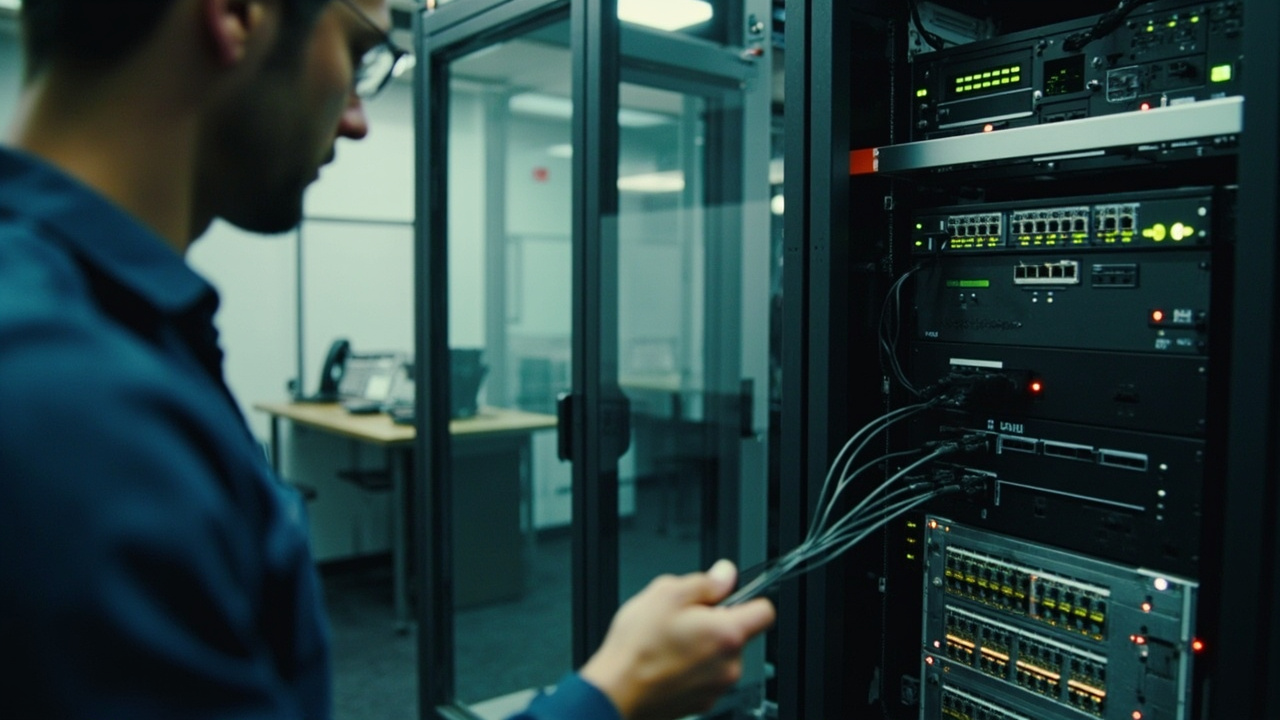
VoIP carries business calls over IP networks, so the design needs security as well as call quality. A Session Border Controller can help control and protect voice traffic at the boundary between systems or networks.
CAT6 and CAT6A Structured Cabling
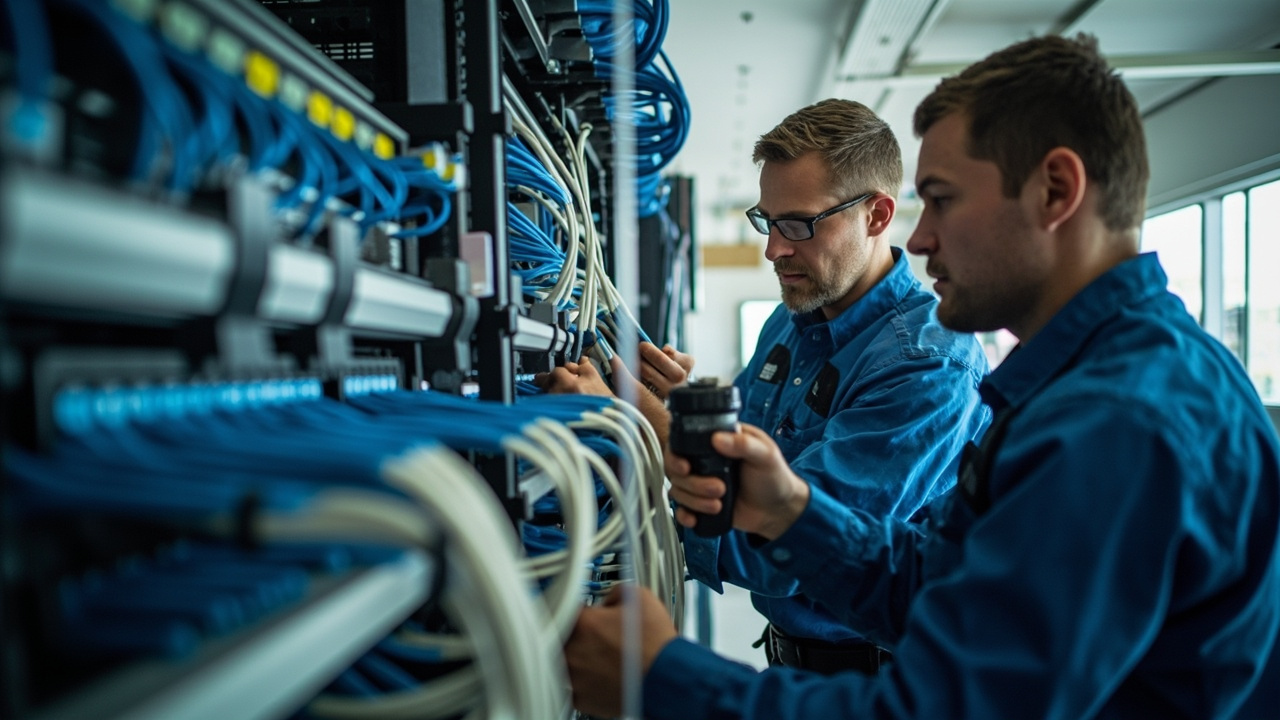
Structured cabling provides permanent, organised pathways between outlets, patch panels, racks and connected devices. Pacific does not install below CAT6 for new structured-cabling work and considers CAT6A when a 10-gigabit pathway is justified.

Fibre Optic Cabling and Long-Distance Networks
Fibre carries data as light and can support high-speed links over distances beyond the practical limits of permanent copper cabling. It is commonly used between buildings, floors, racks and industrial areas.
Communications Racks Testing Labelling and Fault Finding
The communications rack is the central point where many business network, phone, Wi-Fi, CCTV and security connections meet. A tidy rack makes those systems easier to understand and support.

Business Wi-Fi and Wireless Networks
Business Wi-Fi needs to provide stable coverage and capacity for the actual number of users and devices across the site. It often requires several managed access points connected to a properly designed wired network.
Point-to-Point Wireless Links
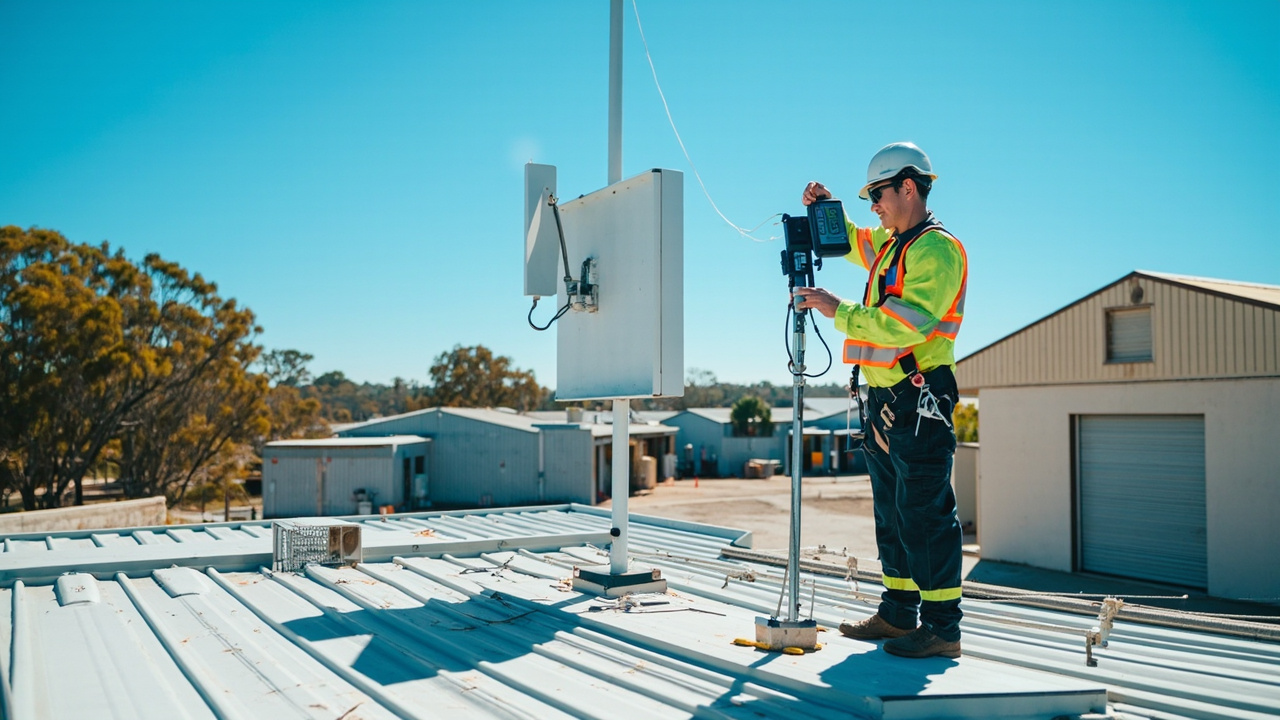
A point-to-point wireless link uses directional radios to carry network traffic between two locations. It can connect separate buildings, extend a network across a site or provide a practical alternative where trenching fibre is not possible.
Commercial CCTV Design and Installation
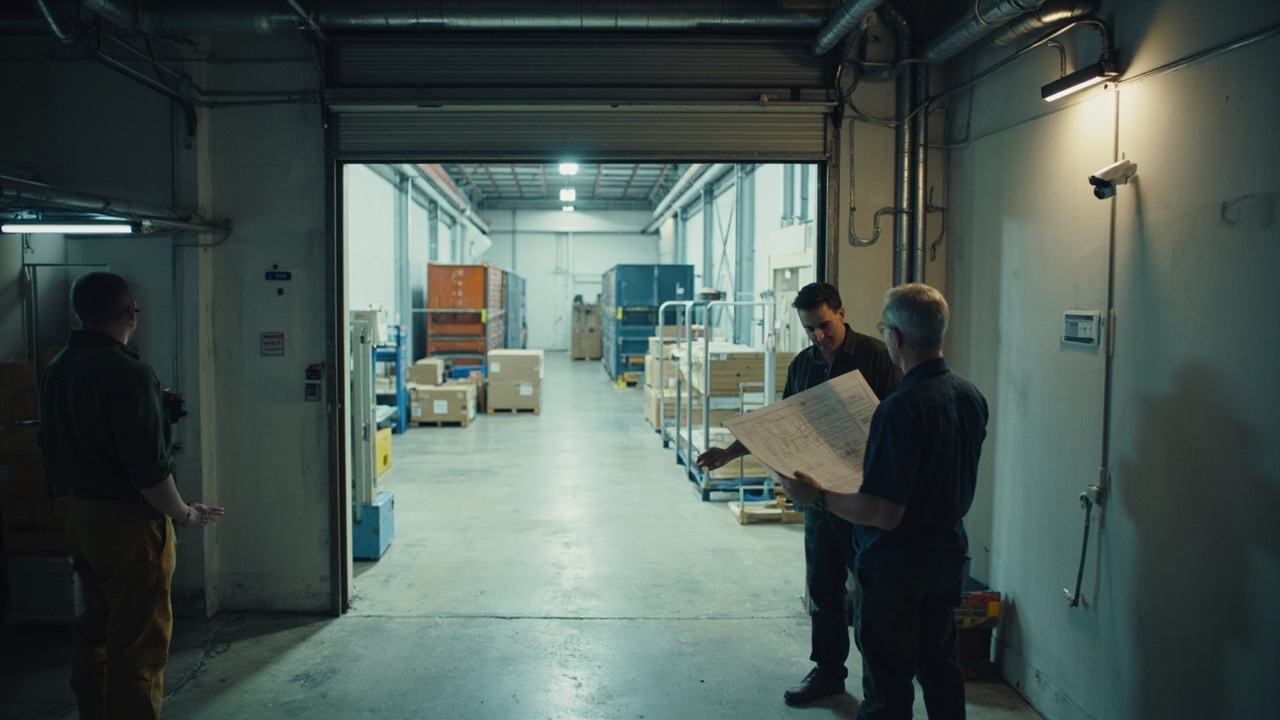
A commercial CCTV system should be designed around what the business needs to see, when it needs to see it and how footage will be used. Camera count alone does not determine whether the system will be effective.

Camera Placement Lighting and Recorder Location
Camera placement is about useful evidence, not simply covering the widest possible area. Position, lens, height, angle, light and the likely movement of people or vehicles all affect the result.
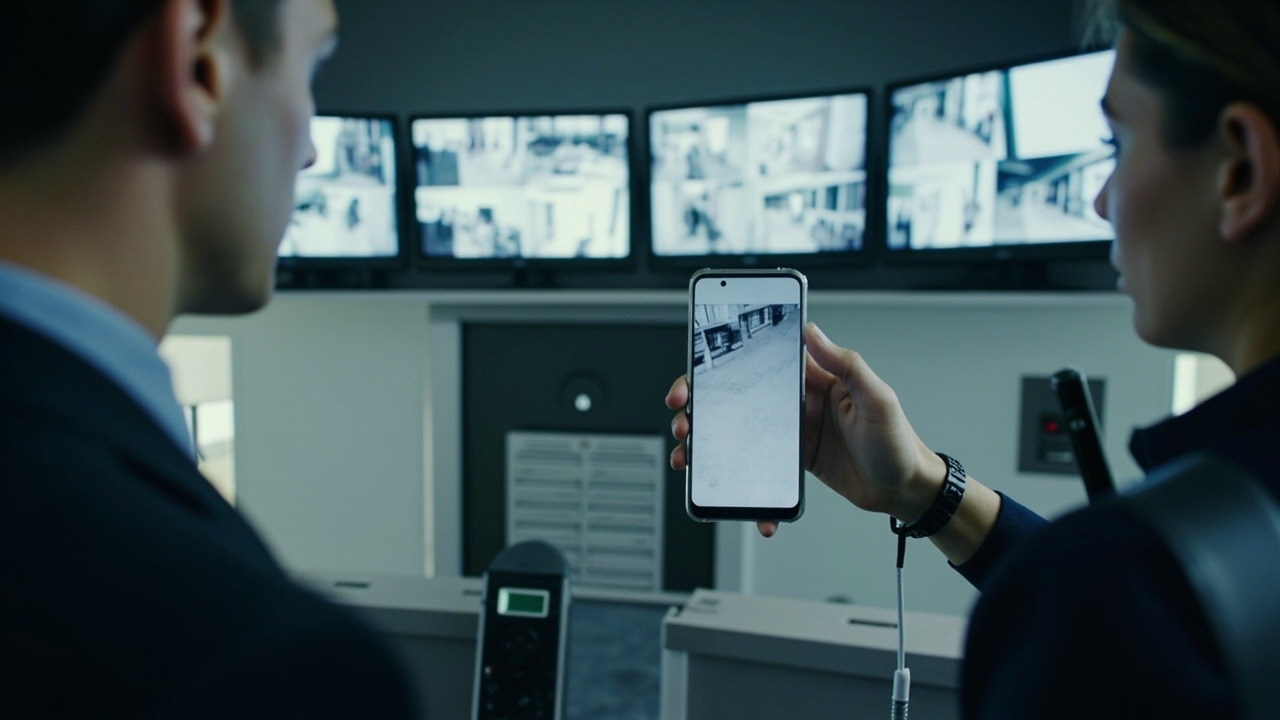
NVR DVR Video Management and Remote Monitoring
An NVR records video from network cameras, while a DVR is generally associated with analogue camera signals processed at the recorder. The right platform depends on the existing cameras, desired quality, network design and future expansion.

Access Control Door Intercoms and Staff Access
Electronic access control replaces or supplements mechanical keys with managed permissions. It can record events, limit access by time or area and make it easier to add or remove staff credentials.
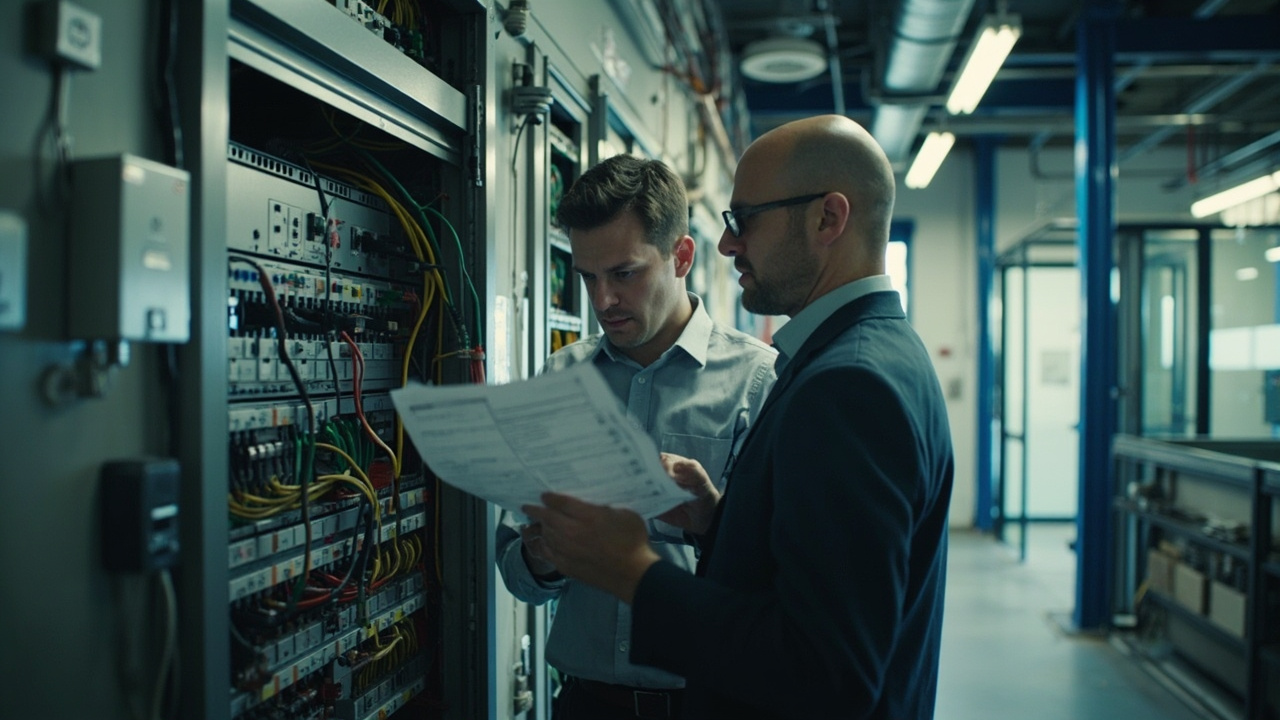
Alarms Back-to-Base Monitoring and Integrated Security
A commercial alarm system detects defined events and triggers local or remote responses. Back-to-base monitoring can send alarm information to a monitoring service, while integration can add CCTV or access information to the event.
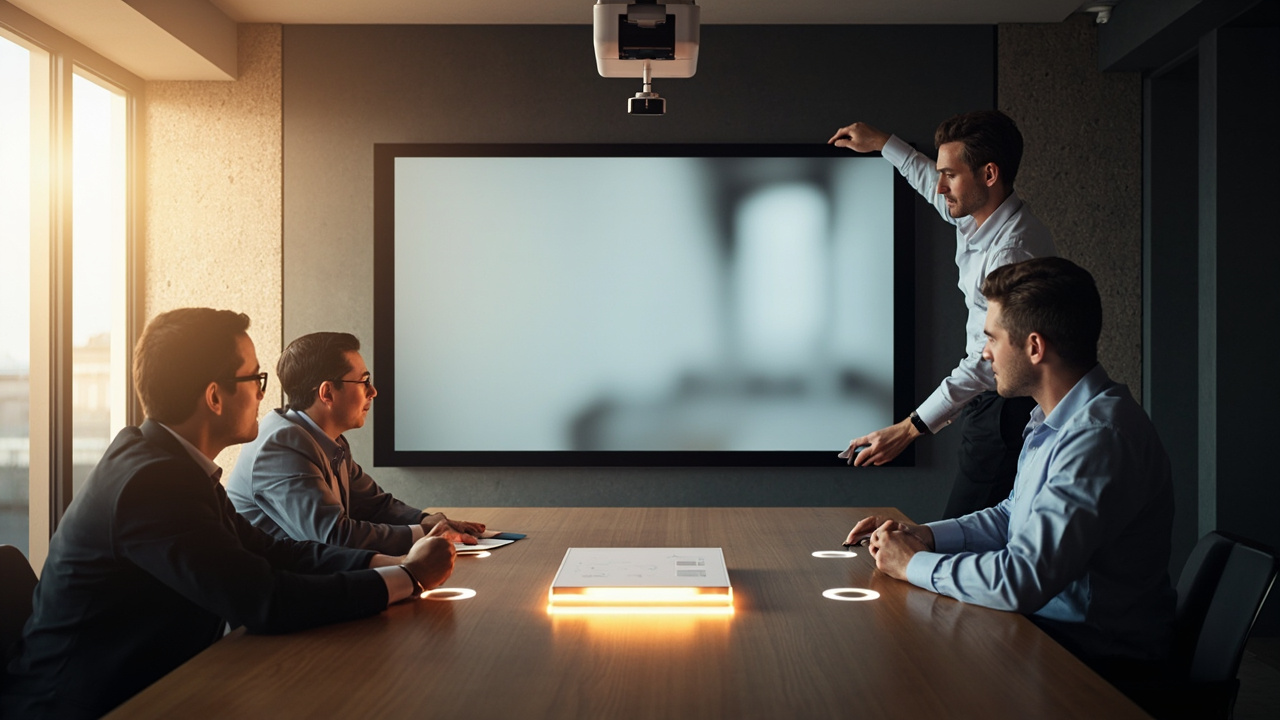
Meeting-Room AV Smart Boards and Control Systems
A meeting-room AV system can combine displays or interactive boards, speakers, microphones, cameras, wireless presentation, video conferencing and control of room functions. The design should make common tasks simple rather than forcing users to become technicians.