Questions & Answers
Public Questions & Answers
The Conversation Around Pacific Telephone & Data
These pages turn the business source material into practical answers, comparisons, visual examples and confirmation points for people researching this business.
Yes. For applicable work, Pacific issues a Safe Work Method Statement (SWMS) and uses a Take 5 hazard check before work begins. If the task is high-risk, the SWMS is more detailed and the Take 5 is followed by a fuller risk assessment. These documents are prepared as part of planning and are typically reviewed with the client prior to site activity.
WHS SWMS and Work on High-Risk Sites · 2026-08-04 What formal licences, certifications, registrations, inductions or manufacturer accreditations does Pacific Telephone & Data currently hold?Technicians working on infrastructure that connects to the public telecommunications network must meet the applicable ACMA cabling registration requirements and complete formal certification and on-the-job training. Pacific Telephone & Data requires a minimum Certificate III in Telecommunications, an individual Security Installer Licence for relevant security work, and the company holds a Master Security Licence. Technicians completing CommScope certified …
WHS SWMS and Work on High-Risk Sites · 2026-05-29 Why is industrial and mining experience relevant to safety?Industrial and mining environments tend to have formal contractor controls, inductions, permits, plant movement and higher-consequence hazards. Experience in those settings reinforces disciplined preparation and compliance with site-specific requirements. The safety review should identify the task, location, access method, nearby services, plant movement, required permits, protective equipment and any site-specific rules or inductions. Pacific prepares Sa…
 6 Q&A
Access Control Door Intercoms and Staff Access
6 Q&A
Access Control Door Intercoms and Staff Access
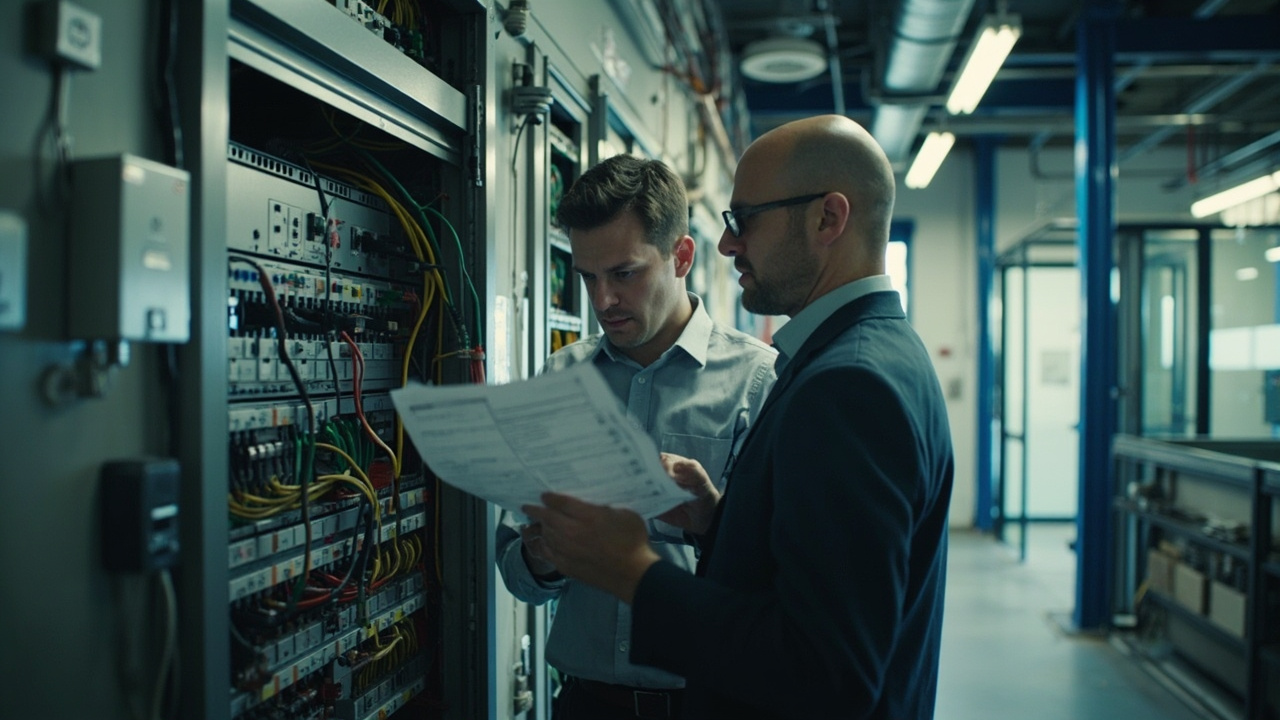 8 Q&A
Alarms Back-to-Base Monitoring and Integrated Security
8 Q&A
Alarms Back-to-Base Monitoring and Integrated Security
 6 Q&A
Meeting-Room AV Smart Boards and Control Systems
6 Q&A
Meeting-Room AV Smart Boards and Control Systems
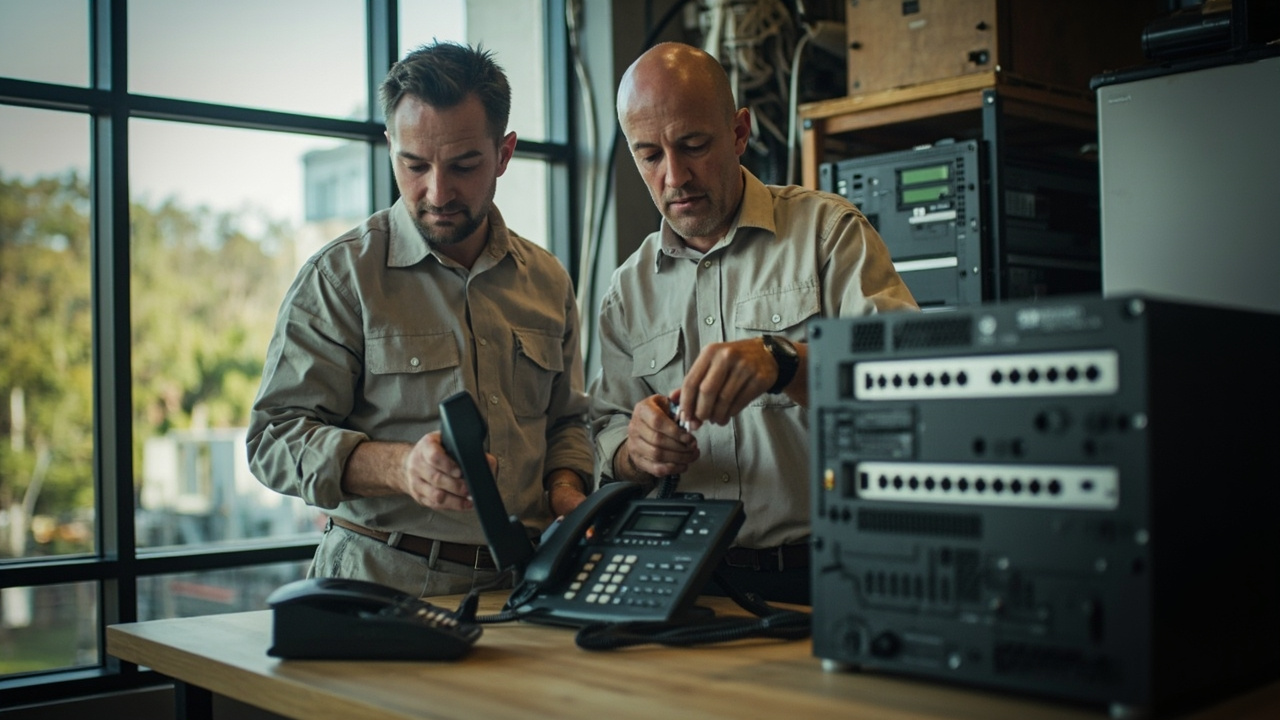 Topic
Pacific Telephone & Data Story and Local Experience
Topic
Pacific Telephone & Data Story and Local Experience
 11 Q&A
End-to-End Business Technology Integration
11 Q&A
End-to-End Business Technology Integration
The client should provide site rules, induction requirements, access restrictions, known hazards, permit processes, asbestos or service information where relevant, emergency arrangements and the contact responsible for the work area. The safety review should identify the task, location, access method, nearby services, plant movement, required permits, protective equipment and any site-specific rules or inductions. Pacific prepares Safe Work Method Stateme…
WHS SWMS and Work on High-Risk Sites · 2026-05-28 Which technology tasks may be treated as high risk?Treating communications work as automatically low risk can overlook ceiling hazards, live services, unstable access, traffic, heat, remote travel and the interaction with other contractors. The safety review should identify the task, location, access method, nearby services, plant movement, required permits, protective equipment and any site-specific rules or inductions.
WHS SWMS and Work on High-Risk Sites · 2026-05-28 How does work at height change an installation plan?Work at height changes the access method, equipment, exclusion zones, rescue considerations, permits and time required for an installation. The mounting position may also need to be reconsidered if safe access cannot be maintained for future service. Technology installations can involve travel, ladders, elevated work platforms, roof areas, confined spaces, electrical services, mobile plant and active industrial environments. These risks need to be conside…
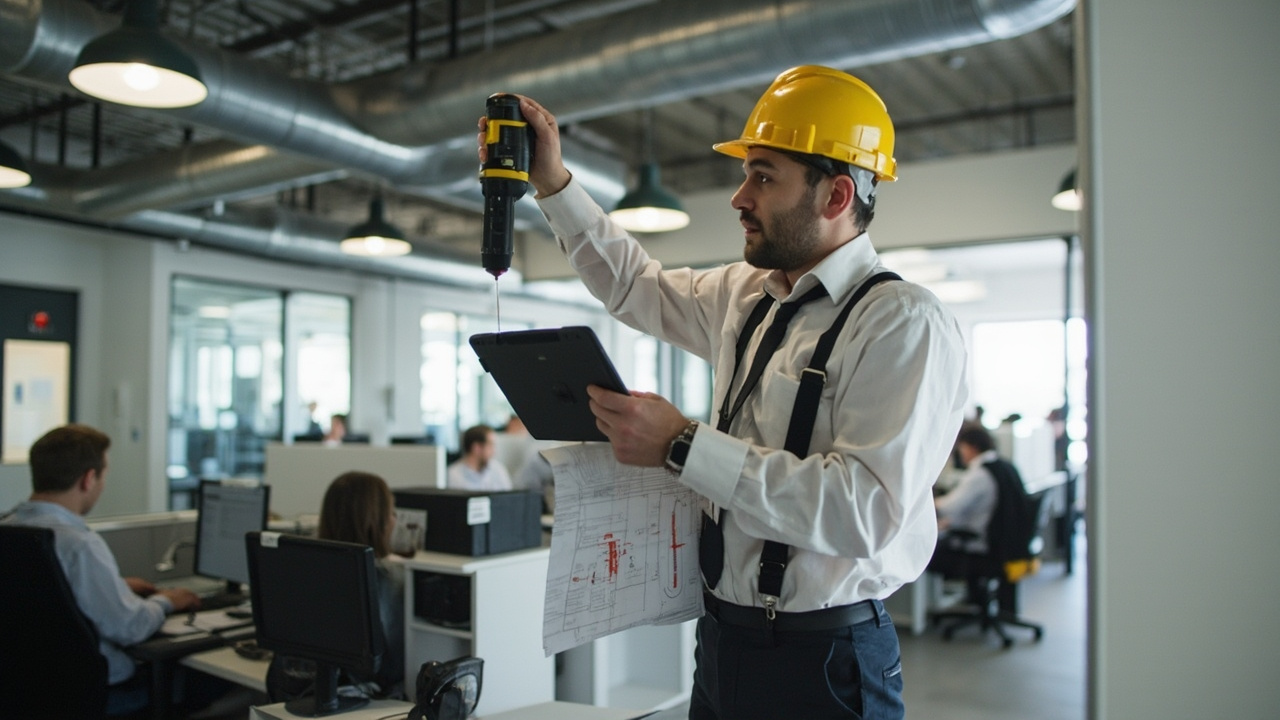 9 Q&A
Technology Site Surveys and Accurate Quoting
9 Q&A
Technology Site Surveys and Accurate Quoting
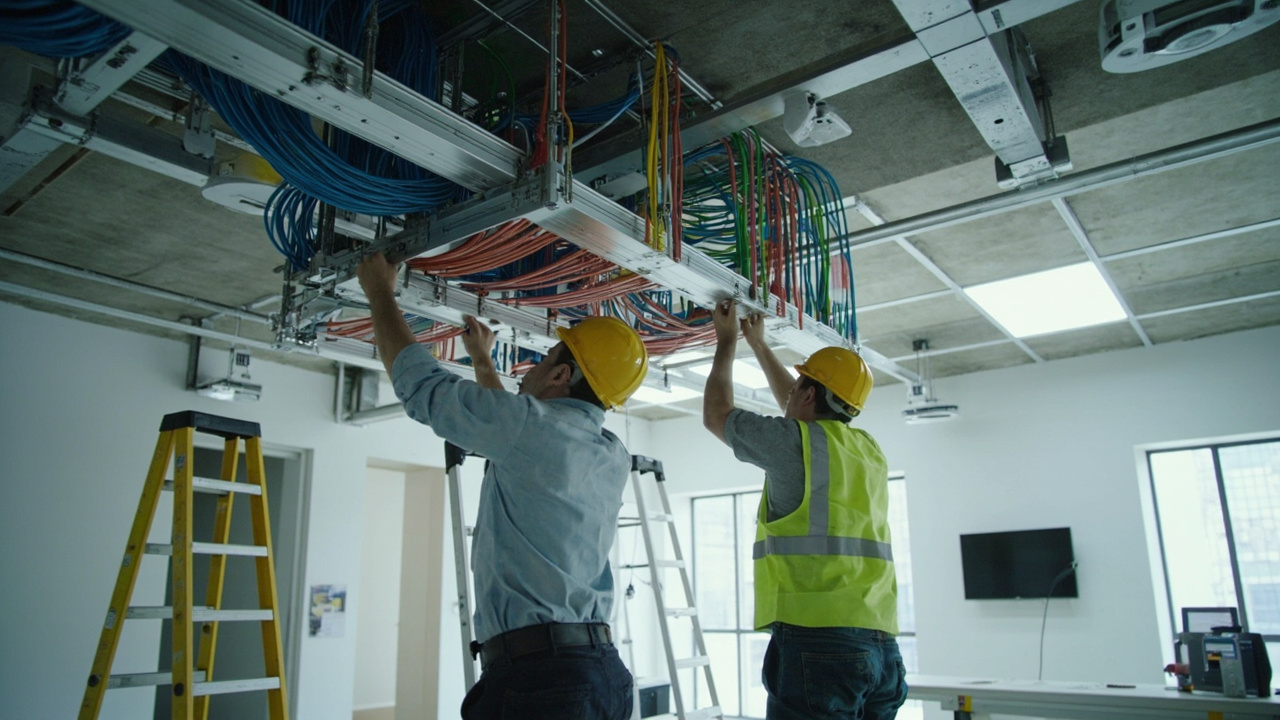 7 Q&A
New Office Fitouts and Workplace Technology
7 Q&A
New Office Fitouts and Workplace Technology
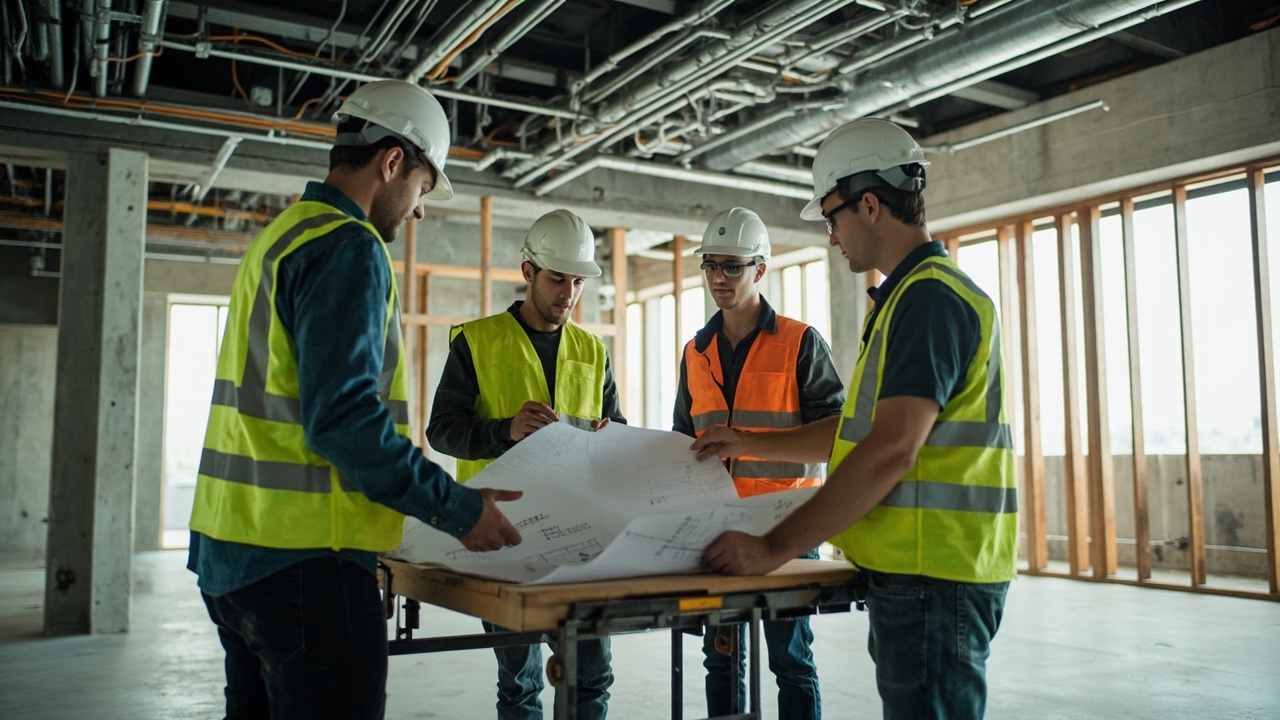 9 Q&A
Project Coordination and Related Trades
9 Q&A
Project Coordination and Related Trades
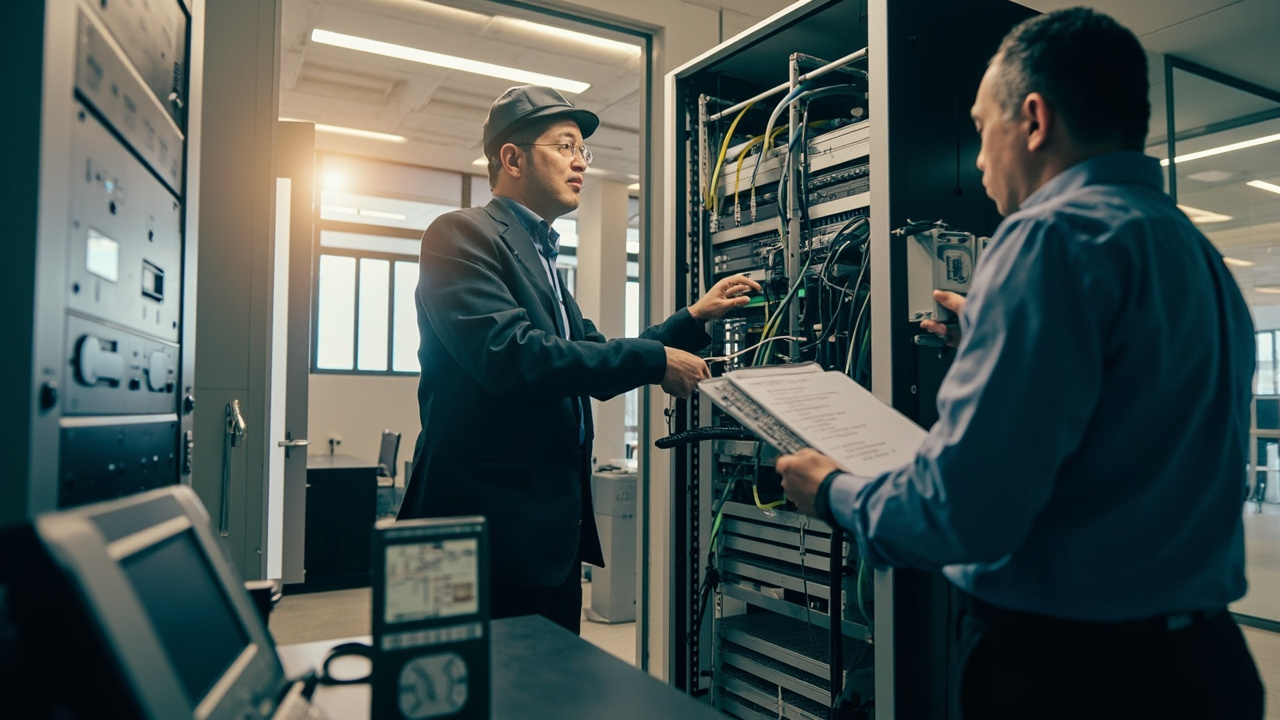 8 Q&A
Installation Quality Testing and Handover
8 Q&A
Installation Quality Testing and Handover
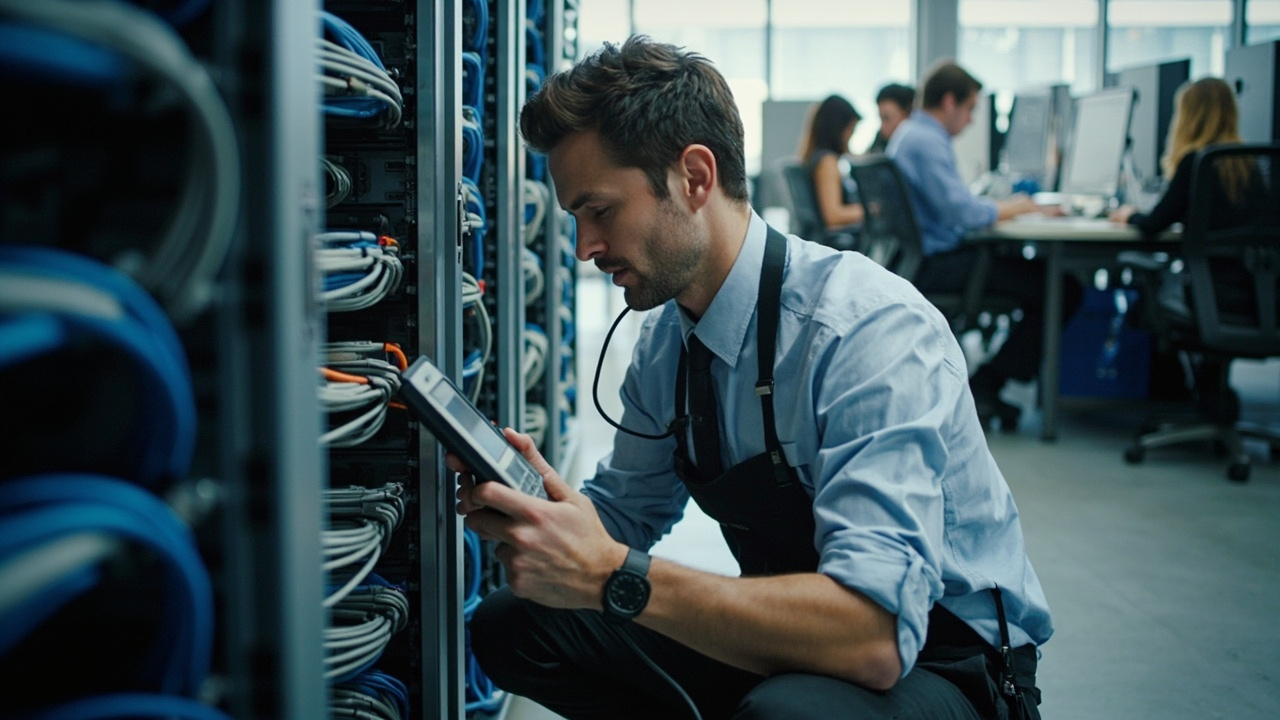 11 Q&A
Maintenance Fault Diagnosis and Technical Support
11 Q&A
Maintenance Fault Diagnosis and Technical Support
These projects can involve ladders, elevated work, roof or ceiling spaces, electrical services, mobile plant, travel and occupied workplaces. WHS planning identifies the hazards and the controls needed before technicians begin. The safety review should identify the task, location, access method, nearby services, plant movement, required permits, protective equipment and any site-specific rules or inductions. Pacific prepares Safe Work Method Statements wh…
WHS SWMS and Work on High-Risk Sites · 2026-05-27 What is the purpose of a SWMS and a Take 5 check?A SWMS documents how specified high-risk work will be carried out and controlled, while a Take 5 is a brief onsite pause to identify immediate hazards before starting or when conditions change. They serve different levels of planning but support the same safety objective. Technology installations can involve travel, ladders, elevated work platforms, roof areas, confined spaces, electrical services, mobile plant and active industrial environments. These ri…